
4 Health Benefits of Cashews
 April 03, 2025
Cashews may benefit your heart, joints and blood sugar levels
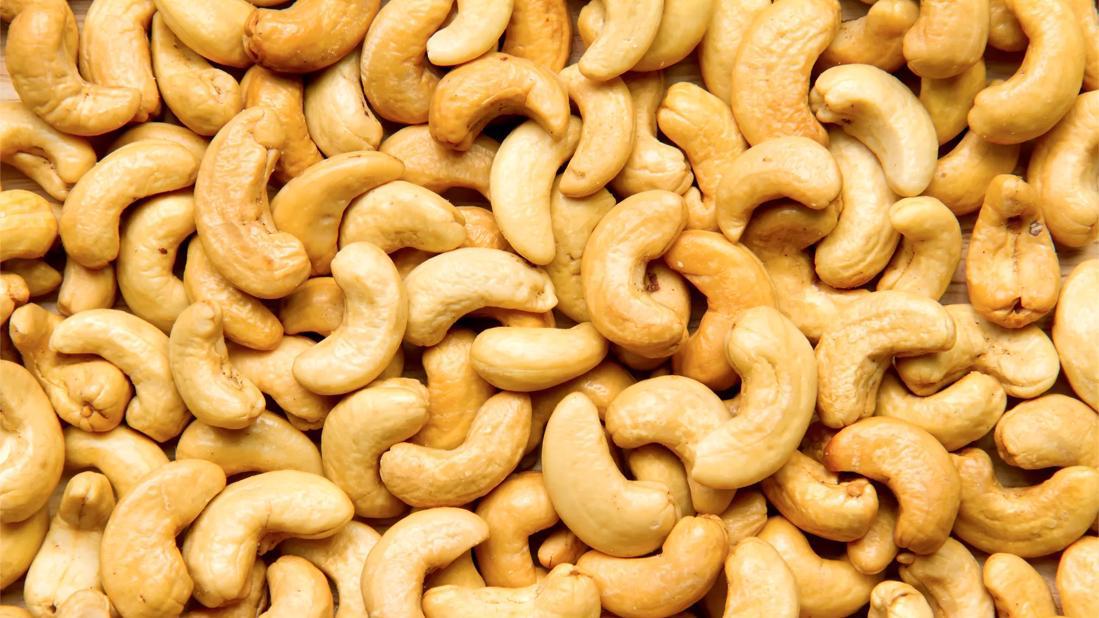
Cashews are nuts that form on the outside of a fruit called the cashew apple. There’s one nut on each fruit, and you can eat both the nuts and the fruits. Cashew trees grow in tropical areas. While we don’t typically see cashew fruit trees in the U.S., the nuts are a popular snack.
“Cashews have a creamy flavor and texture that sets them apart from other nuts,” says registered dietitian Julia Zumpano, RD, LD. “In addition to the taste, cashews offer a health boost.”
Health benefits of eating cashews
Most nuts, like almonds or walnuts, are full of healthy fats, fiber and minerals, and cashews are no exception. Zumpano outlines some of the potential benefits of cashews.
1. Boosts heart health
“Cashews contain abundant antioxidants, which fight the oxidative stress that plays a part in the hardening of your arteries, called atherosclerosis. Atherosclerosis leads to heart disease,” says Zumpano. “But antioxidants appear to help prevent this disease process.”
Research shows that cashews may benefit heart health in several ways:
- LDL and total cholesterol. In a study, people who added cashews to their diet for 28 days experienced reductions in both total and low-density lipoprotein (LDL), aka “bad” cholesterol.
- Blood pressure. In a review of several studies, researchers concluded that cashew consumption reduced blood pressure.
- Triglycerides. The same review suggested that eating cashews may lower triglycerides, another type of unhealthy cholesterol.
2. Aids healthy blood sugar levels
A diet that includes cashews may help with high blood sugar.
“A study in people with Type 2 diabetes showed that eating cashews can benefit insulin levels,” says Zumpano.
In the study, people who got 10% of their calories from cashews for eight weeks found that they had healthier insulin levels than the people who didn’t. But Zumpano cautions, “Cashews can’t fix Type 2 diabetes — no single food can. Don’t focus too much on individual foods. A healthy diet should include plenty of variety.”
3. Protects your joints
Research suggests cashews may help joint health. Eating nuts like cashews is associated with less inflammation, the swelling that’s a common, painful symptom of arthritis.
4. Helps with weight loss
If you’ve ever tried to lose weight by watching your calorie intake, you may have been wary of cashews and other nuts. Anyone who reads food labels knows that cashews (and all nuts) are packed with fat and calories, and it’s easy to go overboard when you eat them.
“We often advise people who are trying to lose weight to be careful with nuts. An actual serving size is typically smaller than most people would eat in a sitting,” says Zumpano.
So, how can cashews help with weight loss? Research suggests that people who eat nuts have an easier time losing weight than those who don’t, possibly because of the high fiber and protein content in nuts, which may make you feel fuller and increase the number of calories you burn at rest. Weight gain is associated with choosing processed meats and snack foods; in contrast, when replacing with nuts on a regular basis, weight loss may occur.
But another study may shed some light on it. It found that people don’t absorb all of the calories in cashews. The researchers found that there was unused energy (calories) and undigested fat from cashews in participant’s poop. So, the actual level of calories and fat our bodies hold onto is a little less than the food labels would have us believe.
Cashew nutrition facts
One ounce (28 grams) of cashews, which is about 18 cashews, provides:
- 163 calories
- 9.27 grams carbohydrates
- 0 grams cholesterol
- 13.2 grams of fat
- 0.85 grams of fiber
- 4.34 grams of protein
- 4.54 milligrams of sodium
- 1.42 grams of sugar
It also provides several important nutrients:
- 0.6 milligrams of copper (31% daily value or DV)
- 0.2 milligrams of manganese (8.6% DV)
- 73.7 milligrams of magnesium (17.5% DV)
- 139 milligrams of phosphorus (11% DV)
- 9.84 micrograms of vitamin K (8% DV)
- 1.59 milligrams of zinc (14% DV)
- 1.7 milligrams of iron (9% DV)
Warnings about eating cashews
Cashews are safe for most people, but be cautious if you have other known nut allergies.
And, again, if you’re watching your calorie intake, cashews can be tricky.
“Cashews are a great source of plant-based protein and several vitamins and minerals,” says Zumpano. “But they’re also dense in calories and fat. Roasted, salted cashews have added oil and salt, boosting the fat and sodium content. If you’re trying to limit your calorie, fat or sodium intake, just be aware of serving size.”
Ways to add cashews to your diet
You can eat cashews on their own as a snack or as a garnish on salads or stir-fries. Most grocery stores also carry cashew-based vegan dairy options like cashew yogurt, cheese and ice cream. And cashew butter is one of the top nut butters. Try using cashew butter to make braised chicken with cashew gravy or in a dressing for Thai lettuce cups.