
Is Pickle Juice the Solution for Your Heartburn?
 September 18, 2024
There isn’t any scientific proof that the tangy liquid offers relief for GERD symptoms
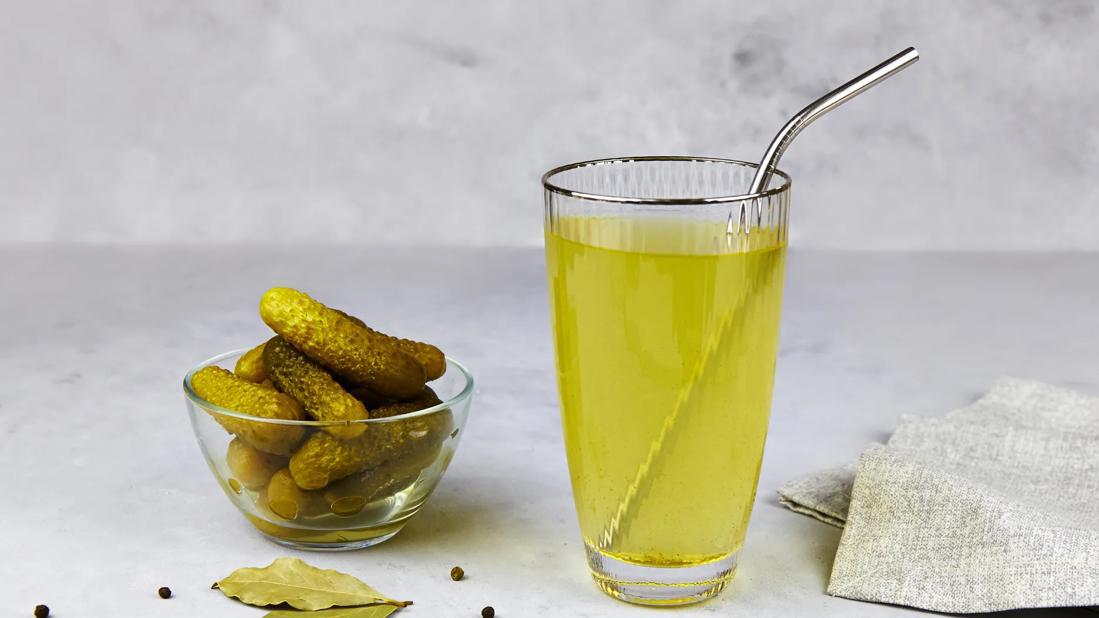
A rumored tonic for heartburn is probably sitting in your refrigerator right now. But before you crack open that jar of pickles and start chugging down pickle juice for relief, it might be good to get a few facts.
With that in mind, we turn to gastroenterologist Christine Lee, MD.
Can pickle juice treat heartburn?
Let’s get to the point: No research supports the theory that drinking pickle juice can tame heartburn and acid reflux. (Apologies to the millions and millions of people who REALLY want a different answer.)
“There are many people who feel pickle juice works for them,” says Dr. Lee, “but there is no science backing that up.”
Pickle juice does have benefits, though, which helps explain the heartburn hypothesis.
Fermented pickles (and pickle juice) contain probiotics, after all. Studies show this gut-friendly bacteria can be beneficial in maintaining a healthy gut biome, which can guard against all sorts of gastrointestinal (GI) disorders — including gastroesophageal reflux disease (GERD) symptoms like heartburn.
Unfortunately, most pickles found on store shelves have gone through a pasteurization process (or heating) that kills both bad and “good” bacteria — so there goes that idea.
Vinegar is also a common ingredient in on-the-shelf jars of pickles, and there’s a belief that its acidity can help soothe heartburn symptoms. But it’s more likely that the overwhelming “acid splash” simply masks GERD symptoms instead of resolving them.
In addition, vinegar can irritate your esophageal and stomach lining to cause tummy trouble.
Bottom line? Despite what you may see on social media, don’t expect to bite into a dill pickle and cure your heartburn. (Plus, there’s a chance you’ll just make a bad situation even worse, says Dr. Lee.)
Better natural remedies for heartburn
If you’re looking for a natural remedy for heartburn. Dr. Lee suggests trying the following:
- Eat smaller portions during meals. Less food in your belly decreases the chance that any overflow might flow back up your esophagus to create that burning feeling in your chest.
- Pass on fatty foods. What you put in your stomach makes a difference, too. Researchers found that dining on lower-calorie meals with less fat content can reduce the frequency of heartburn.
- Exercise regularly. Moving your body can get your digestive system moving to avoid that gurgling of stomach contents. (Sitting or lounging, on the other hand, can ignite heartburn pain.)
- Maintain a healthy weight. Extra pounds can put pressure on the valve between your stomach and esophagus, opening it and allowing food and stomach acid to go where it shouldn’t. Weight loss often stops heartburn for those with higher body fat.
- Kick the smoking habit. Add heartburn to the list of health issues linked to cigarettes, as nicotine can weaken the valve keeping your stomach contents where they belong. Studies show that GERD symptoms decrease when people quit smoking.
- Adjust your sleep position. Lying at an incline in bed can ease nighttime heartburn. Try using a wedge-shaped pillow to get at a comfortable angle. Another tip? Sleeping on your left side can help with digestion to relieve acid reflux.
- Know (and avoid) your heartburn triggers. Certain foods may light the flame for your heartburn. (Looking at you, spicy nachos.) Keeping a food log may help you identify and limit your heartburn triggers.