
Can PCOS Cause Weight Gain?
 February 21, 2024
The common hormonal condition is linked to insulin resistance, which can cause weight gain
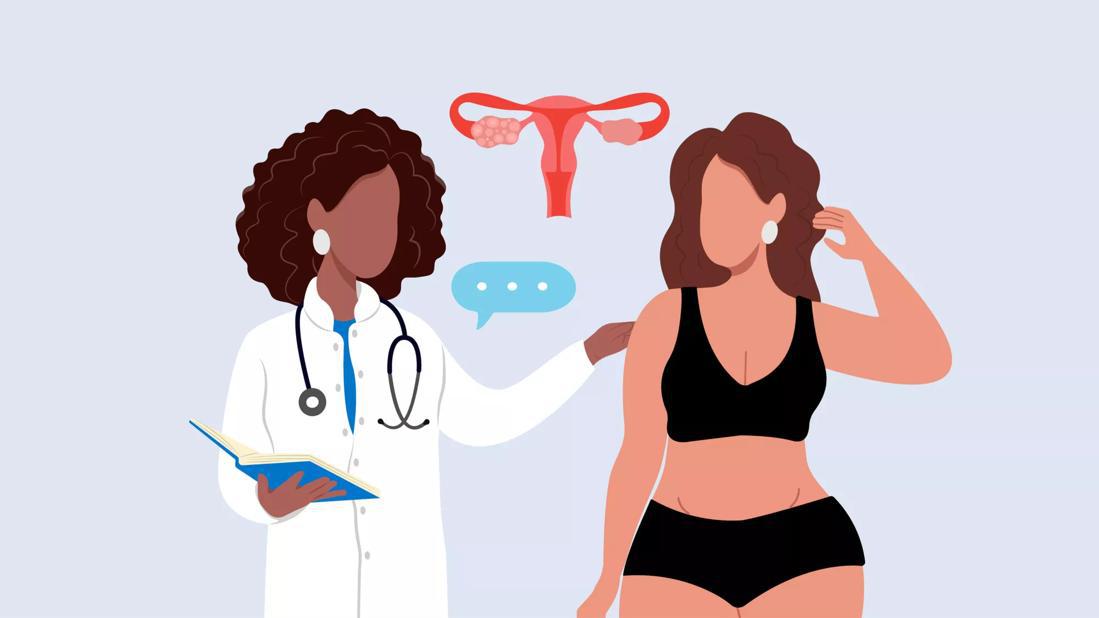
Most conversations with your doctor about polycystic ovary syndrome (PCOS) probably tend to focus on irregular menstrual periods, including missed and/or heavy periods. But people with PCOS face other issues, too — and a big one is weight gain.
It’s not clear whether PCOS is a direct cause of the extra pounds many people with PCOS carry, but according to Ob/Gyn Yolanda Thigpen, MD, a link does exist.
“Experts think a combination of genetic predisposition and environmental factors, including diet, exercise and lifestyle, contribute to the PCOS symptoms,” she says.
PCOS affects up to 15% of women, with symptoms appearing as early as age 11.
Knowing how it can impact your weight can help motivate you to take control of it and other health issues, including diabetes, she says.
Dr. Thigpen explains what PCOS weight gain looks like and how you can minimize the impact of PCOS on your life.
Symptoms of PCOS
PCOS occurs when your hormones are out of balance. Your body makes more male hormone called androgen than is normal, and even a tiny increase in androgen production can have an impact on how your ovaries function.
Healthcare providers look for two out of three symptoms when making a diagnosis:
- Chronic irregular or missed periods (due to high androgen levels)
- Signs of high male hormones, like acne and hirsutism (abnormal facial and body hair growth)
- Multiple small cysts on ovaries (not everyone with PCOS has these, despite the name)
PCOS can also cause:
- Infertility
- Weight gain
- Darkening of your skin (for example, on the back of your neck)
- Cysts
- Skin tags
- Thinning hair
- High cholesterol
- Insulin resistance, which raises a person’s risk for diabetes
- Depression
But the symptom that’s most likely connected to weight gain is insulin resistance, Dr. Thigpen says.
Why does PCOS cause weight gain?
Many people who have PCOS also have insulin resistance, which happens when your body has difficulty pulling glucose from your bloodstream and converting it to energy. So, your body needs to produce more insulin in an attempt to maintain a normal blood sugar level. Over time, your body begins to overproduce insulin to keep your blood sugar level normal.
Insulin resistance is often cited as a large contributing factor to obesity, Dr. Thigpen says. When blood glucose levels continue to rise despite increased insulin levels, Type 2 diabetes develops.
“PCOS itself might make a person gain weight more easily than others,” she adds. “And the more weight they gain, the more additional symptoms they’ll have.”
In fact, she says that more than half of people with PCOS have overweight.
What is PCOS weight gain like?
When you have PCOS, you're likely to carry your weight in your abdomen (an apple shape) rather than in your hips, thighs and buttocks (a pear shape).
“A PCOS belly is characterized by excess weight gain around the midsection, which can be difficult to lose,” clarifies Dr. Thigpen. “This type of weight gain is often referred to as central obesity.”
What does a PCOS belly look like?
You may have heard of the term “PCOS belly.” This is the area where fat resides in your lower abdomen. It can appear as if you’re bloated.
“The waist-to-hip ratio is greater due to fat accumulation and is often described as having a ‘spare tire’ or ‘muffin top’ appearance,” explains Dr. Thigpen.
Tips to reduce impact
Unfortunately, there’s no cure for PCOS. But there are things you and your doctor may do to minimize its impact:
- Keep weight in check. If you have overweight, combining diet and exercise to lose at least 5% to 10% of your body weight can help with high cholesterol, prediabetes symptoms and, potentially, infertility.
- Manage insulin. In some cases, your doctor might prescribe metformin. This drug is usually reserved for managing diabetes, but because it attacks insulin sensitivity, it may be helpful in treating PCOS as well. It can be difficult to determine who would benefit from this medication, so healthcare providers use it only to treat people with PCOS who have prediabetes or diabetes.
- Treat infertility. Infertility difficulties are best addressed with drugs that induce ovulation, such as Clomiphene citrate (Clomid®) or Letrozole (Femara®), she says. In some people who don’t respond to medical therapy, a laparoscopic procedure called ovarian drilling might help improve ovarian function. This is typically done by a reproductive endocrinologist specialist.
- Balance hormones. For people who aren’t trying to conceive, oral contraceptives can help balance hormones and regulate the menstrual cycle. They also can decrease uterine cancer risk, help manage excess hair and improve acne.
Whether PCOS is a direct cause of weight gain or not, it’s clear that losing weight is helpful, Dr. Thigpen says. “When it comes to PCOS, a main focus is always on weight loss, diet modification and lifestyle changes.”