
What Happens When You Sleep With Your Contacts In?
 August 22, 2024
Even napping with contacts in can lead to eye infections, lens displacement and dry eyes
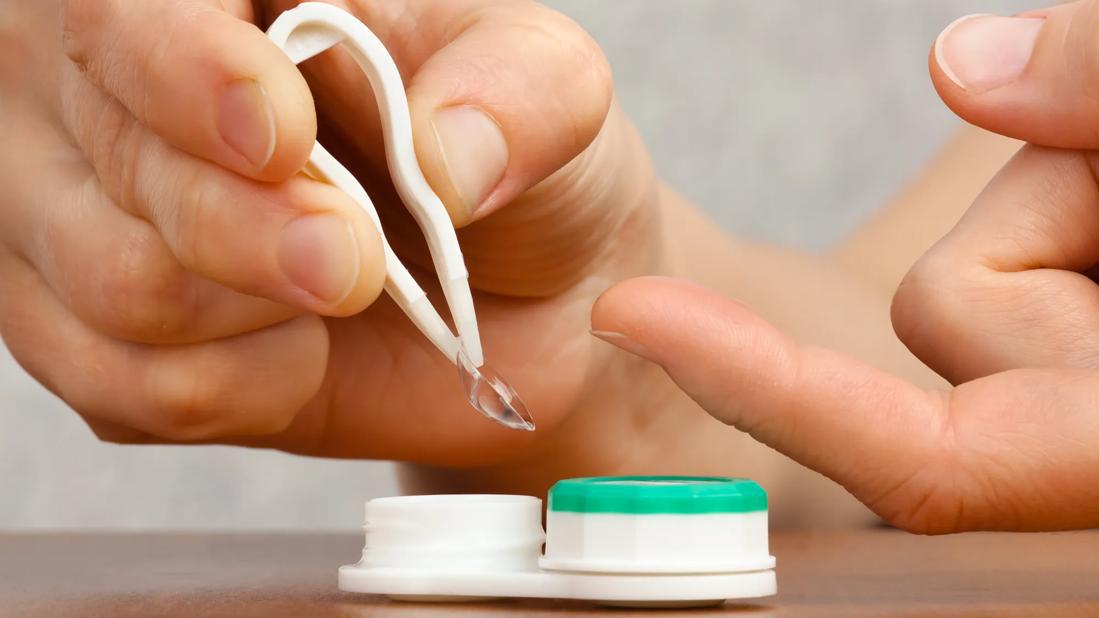
If you wear contacts, you may have experienced the odd feeling of waking up from a deep slumber and realizing ... you can see! And while falling asleep with contacts can happen occasionally to the best of us, you shouldn’t let it turn into a habit.
Because of the way our eyes hold onto oxygen, sleeping with your lenses in can make your eyes more vulnerable to dryness, irritation and certain infections.
Ophthalmologist Allison Babiuch, MD, explains the risks involved with falling asleep in contacts — and what to do if it does happen.
Is sleeping with contacts safe?
The short answer? No. Even if it doesn’t feel like a big deal now, your eyes will thank you when you make it a habit to always take out your contacts before dozing off.
There are several reasons why sleeping with contacts is a big no-no. “It’s important to give the eyes a break and let the cornea breathe,” Dr. Babiuch says. “When your eyes and contacts dry out too much, you can cause damage when you finally do remove them.”
Why is it dangerous to sleep with contacts in?
If you’ve fallen asleep with contacts, you probably felt the effects as soon as you woke up. The lenses likely felt dried out and sticky and were probably hard to remove.
“Redness and irritation are common problems if you leave your contacts in when you sleep. But you can also experience other problems with your cornea, which is the front surface of your eye,” explains Dr. Babiuch.
We know what you may be thinking, and it’s true that some contacts are approved for overnight wear. These are also referred to as “extended-wear contacts” and have been approved by the U.S. Food and Drug Administration (FDA). But there’s no guarantee that they’ll work with everyone’s eyes. “I still wouldn’t recommend them,” she says.
Blocks oxygen
Sleeping with contacts in can cut off the oxygen your eyes need. The cornea of your eye relies on oxygen from the atmosphere, which dissolves in the tear film that coats your eye. When there isn’t enough oxygen supply, corneal cells can get damaged, leading to various symptoms and complications.
When you’re asleep, your eyes are closed, which reduces the amount of oxygen available to the cornea from the atmosphere. Contact lenses add an extra barrier against the oxygen if it’s sitting in your eye all night.
Makes your eyes vulnerable to infection
Many bacteria and microorganisms come into contact with our eyes. Wearing your contacts while you sleep or for extended periods of time can trap these bacteria in your eyes and lead to various infections.
Increases risk of lens displacement
If you’re wearing contact lenses correctly, they should stay right in the spot they’re supposed to. But that doesn’t mean they can’t get dislodged or even stuck. When you sleep, your eyelids move, putting pressure on your eyes’ surface. This can cause the lenses to shift out of place.
While asleep, your lids can also trap the lenses in unusual positions, especially if you rub your eyes while sleeping. Along with irritation and general discomfort, this displacement can also lead to scratches or other injuries to your eye.
Contributes to dry eyes
Contact lenses can absorb the moisture in your eyes, leading to dryness. This condition can worsen when you sleep with your contacts in, as your eyes naturally produce fewer tears during sleep. Dry eyes can cause irritation, discomfort and potential damage to the corneal surface.
Increases the risk for certain eye conditions
Regularly sleeping with contact lenses can also lead to several specific eye conditions, including:
Keratitis
One of the most serious causes of poor contact lens hygiene is keratitis. This is a severe and potentially sight-threatening cornea infection and is often caused by bacteria, fungi or amoebas. Sleeping in contact lenses increases the risk of microbial keratitis because the lenses can trap microorganisms against the cornea, providing an ideal environment for them to multiply.
Corneal ulcers
Sleeping with your contacts in can also heighten your risk for corneal ulcers. These are when an open sore forms on your cornea. This painful condition can cause significant vision impairment or even permanent vision loss if not treated quickly and appropriately.
Corneal hypoxia
Our eyeballs need a certain amount of oxygen to stay healthy and work properly. Corneal hypoxia is when the cornea, the transparent front part of the eye, doesn’t get enough oxygen.
This can cause symptoms like:
- Redness.
- Blurry vision.
- Light sensitivity.
- Eye fatigue.
- Pain or discomfort.
What if you accidentally fall asleep wearing contacts?
If you accidentally fell asleep with your contacts still in, it’s OK. We’re all human. But don’t feel panicked — just follow these steps:
- Don’t remove your contacts immediately, as they may be dry and sticky, which can cause more discomfort. Instead, start by gently massaging your eyes to get some moisture moving.
- Try to gently nudge your lenses out of your eye. Don’t tug at them. This may irritate your eyes even further.
- If you have trouble getting them out, put a couple drops of contact solution in your eyes and blink a few times.
- Try removing them again. The extra lubrication should help get them out.
After getting them out, take a break from wearing your contacts for a whole day, if you can. Pay attention to any symptoms of infection like redness, excessive watering or discharge coming from your eye. If you notice these symptoms or any changes in your eyesight, talk to your eye doctor or a healthcare provider right away.
Can you take a short nap with contacts?
Ok, what’s a couple of minutes of shut-eye? Even if you’re just resting your eyes to take a quick nap, you should still pop out those contacts. Falling asleep for any amount of time increases your risk for irritation or infection.