
How Cancer and Cancer Treatments Affect Fertility
 May 07, 2025
Cancer and its treatments can cause infertility, but you have many options for fertility preservation
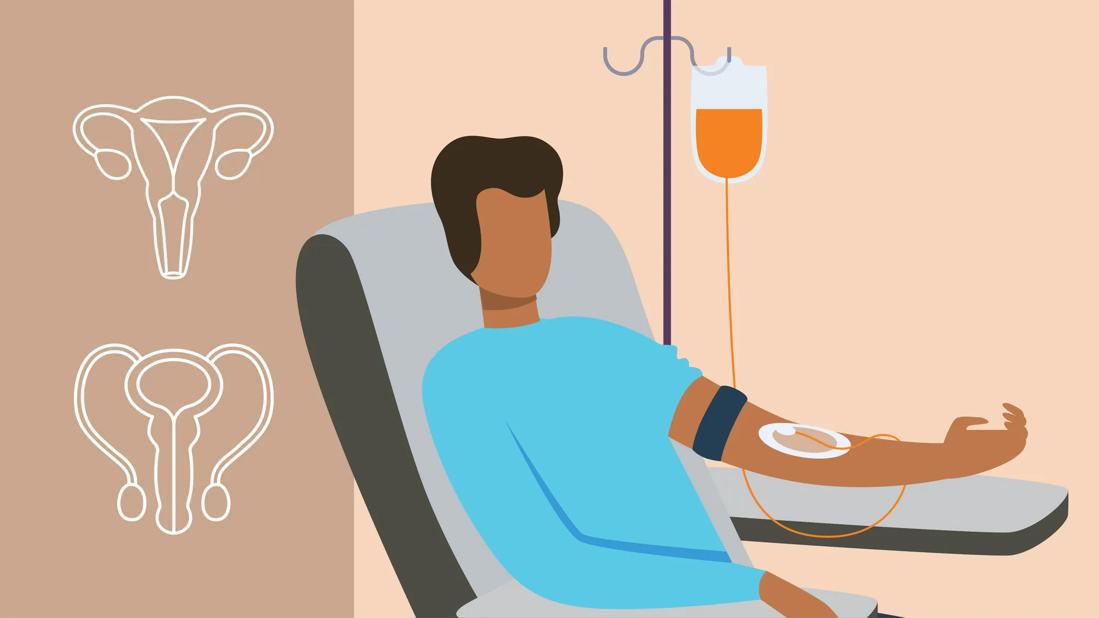
If you’ve received a cancer diagnosis and plan to have a child someday, it’s important to consider how cancer and its treatment can affect your fertility.
“Providers don’t always bring up this topic, for various reasons, which may include their comfort level in discussing it, time constraints, etc.,” says cancer specialist Erin Roesch, MD. “You may need to take the initiative to understand your options for cancer treatment and fertility preservation.”
Can you have kids after cancer treatment?
There are many options for parenthood after cancer. But your ability to become pregnant (or get another person pregnant) depends on the type of cancer you had and the treatment you received.
Personal factors can also impact your ability to conceive a child after cancer. Examples include your:
- Age
- Fertility status before cancer
- Overall health
Types of cancer that affect fertility
Any cancer or its treatments can impact fertility.
“Cancer itself can damage the reproductive organs,” says Dr. Roesch. “More often, fertility problems are due to the effects of treatment on the reproductive system.”
Which types of cancer are more likely to affect fertility? For women, the greatest risk is from cancers that occur during their reproductive years (as opposed to before them). The following cancers are most likely to occur during that timeframe:
- Breast cancer
- Thyroid cancer
- Colorectal cancer
- Blood cancers, like leukemia and lymphoma
- Cervical cancer
Men have a longer reproductive window, so age is less of a factor. But any cancer requiring chemotherapy can cause male fertility issues. There’s also a higher risk of infertility with cancers in the lower abdomen, such as prostate, testicular and colorectal cancers.
How does cancer treatment affect fertility?
Healthcare providers use different cancer treatments. Often, they combine treatments so it’s more effective for you. Each treatment type can impact fertility in different ways.
Chemotherapy
Chemotherapy uses medications to destroy or slow the growth of cancer cells, but it can also damage healthy cells.
Chemotherapy and ovarian function
Ovaries are very sensitive to chemotherapy. Menstruation and ovulation usually stop during treatment, putting you into a menopausal state. Chemotherapy can also reduce the number of eggs in your ovaries.
Research shows that receiving a gonadotropin-releasing hormone agonist during chemotherapy may help protect ovarian function.
Whether your ovaries fully recover from the effects of chemo depends on:
- The type of chemotherapy you received
- The dosage
- How long you received treatment
- How close in age you are to natural menopause
“Your period coming back after chemotherapy doesn’t guarantee that you can conceive,” clarifies Dr. Roesch. “So, if pregnancy is your goal, you should consult with a reproductive endocrinology and infertility (REI) specialist before starting chemo. They offer tests to determine your reproductive potential.”
Chemotherapy and sperm production
Chemotherapy medications can damage your sperm. They can also reduce your ability to make new sperm. These effects may be temporary or permanent. It depends on:
- The drugs you received
- How high your dosage is
- Your age.
Higher doses of chemotherapy are more likely to cause permanent infertility.
Hormone therapy
Hormones fuel the growth of some cancer types, including certain breast and prostate cancers. Hormone therapy for cancer works in different ways. It may block hormone production or prevent hormones from connecting with cancer cells. These hormone disruptions can cause problems with menstruation and sperm production.
For hormone-positive breast cancer, providers recommend five to 10 years of hormonal therapy as a part of treatment. That can be a long time to delay pregnancy.
“The good news is that clinical trials show it’s safe to take a break from hormonal therapy to become pregnant. However, it’s very important to talk with your doctor to see if this approach is recommended or an option for you,” says Dr. Roesch. Your provider can discuss with you more about how hormone therapy will impact your future fertility.
Radiation therapy
Radiation therapy for cancers in or near the pelvic region can cause infertility by:
- Destroying eggs and damaging your ovaries and uterus
- Reducing sperm cells and sperm production
Providers use shields and other precautions to protect your reproductive organs. But these steps aren’t possible in every situation or cancer type. And they may not offer complete protection.
Radiation therapy directed at your brain can also cause fertility issues. That happens when the therapy damages your pituitary gland. Your pituitary gland makes hormones that are necessary for reproduction.
Cancer surgery
Surgery to remove a tumor is often the best way to treat cancer. But surgery can cause infertility. That’s especially true for reproductive cancers.
In some cases, the effects of surgery on fertility are less direct, notes Dr. Roesch. For example:
- Someone with certain breast cancer genes may choose to remove their ovaries to prevent future ovarian and breast cancer
- Surgery in the pelvic area can damage nerves that control erections, causing erectile dysfunction
After finishing cancer treatment, do you have to wait to try for pregnancy?
Most providers will advise you not to get pregnant until treatment ends, as radiation therapy and chemotherapy can damage eggs and sperm. But after completing treatment, can you try for pregnancy right away?
“Pregnancy after cancer diagnosis and treatment is possible, but timing may depend on the treatment you had and the risk of your cancer returning. It is essential to discuss these important issues with your doctor,” stresses Dr. Roesch.
For some cancers, providers recommend waiting up to two years before trying to become pregnant to make sure your cancer doesn’t return. Close monitoring during pregnancy is also essential.
Coping with cancer and infertility
Cancer treatment may take away your ability to achieve pregnancy, or you might have a difficult time becoming pregnant. If you, your partner or your child has been diagnosed with cancer, there are many options for fertility preservation. Whenever possible, it’s best to talk to your provider early on, before treatment starts.
“Ask for a referral to a specialist who can guide you before, during and after treatment,” recommends Dr. Roesch. “Cancer support groups can also connect you with others who have been through a similar experience.”
And don’t forget about your emotional and mental health. Cancer care teams usually include social workers and mental health professionals. They can help you explore your feelings around cancer, fertility and fertility preservation.