
Can Dehydration Cause Heart Palpitations?
 February 11, 2025
Yes — and depending on the level of dehydration, you may need emergency care
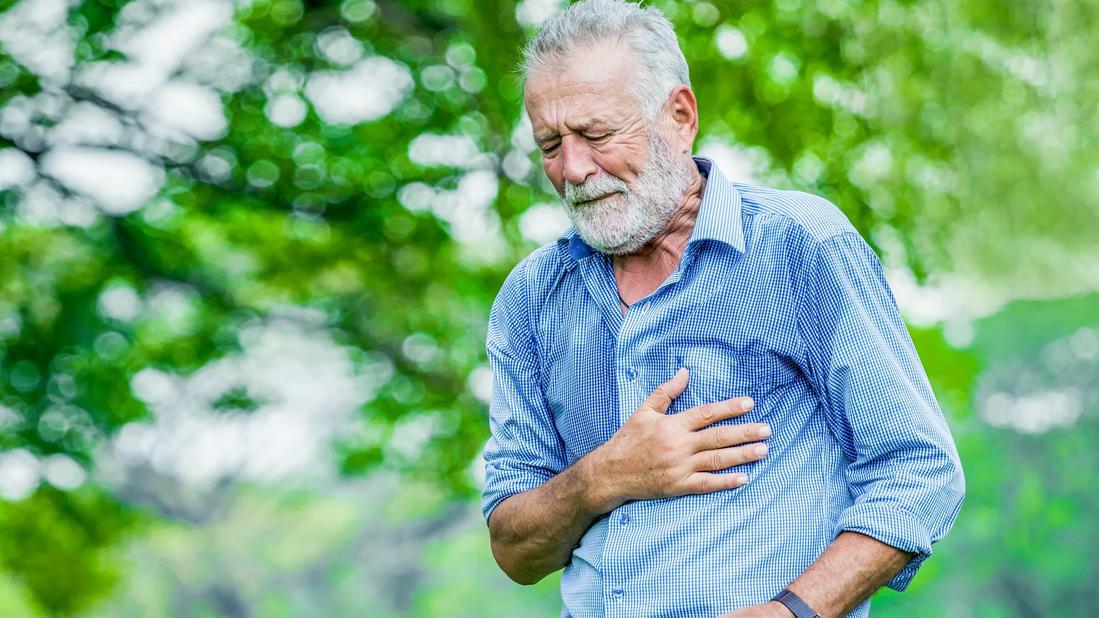
What do scary movies, public speaking and true love have in common?
They’re just a few things that can make you experience your heart skipping a beat (or racing, pounding or doing flip-flops).
In medical lingo, these feelings are called heart palpitations. And there are more causes of palpitations than you may realize.
“Strong emotions aren’t the only trigger of heart palpitations,” says cardiac exercise physiologist Erik Van Iterson, PhD. “Common triggers include exercise, pregnancy, caffeine and certain medications. Dehydration can also be a culprit.”
Heart palpitations aren’t usually dangerous. When you feel them, there’s typically no significant change in your heart rhythm — particularly when they rarely occur, are brief and aren’t accompanied by any other symptoms.
But if they happen when you’re dehydrated, heart palpitations can be more serious. That’s because they’re more likely to indicate your cardiovascular system is strained and experiencing a high level of stress.
Dr. Van Iterson explains the science behind dehydration-related heart palpitations and why you shouldn’t ignore them.
Why does dehydration cause heart palpitations?
The link between dehydration and heart palpitations is mainly related to the fluid level in your body and your body’s need to efficiently use that fluid for important tasks.
Your circulatory system (heart and blood vessels) relies on regular blood flow and pressure to work properly. When blood enters your heart, it stretches your heart muscle. Your heart responds by contracting (tightening) to pump blood out to your body.
“When you’re dehydrated, there’s less blood volume and pressure available for stretching your heart, which is needed for generating powerful contractions,” Dr. Van Iterson explains. “Your heart has to compensate by beating more frequently and working harder to pump blood around. These responses can be quickly exaggerated during even light exercise and physical activity. This type of elevated heart rate and extra work can momentarily cause uncomfortable or unusual feeling beats regardless of whether you are at rest or exercising.”
Dehydration also tends to disrupt your electrolyte balance, resulting in cardiovascular strain that can affect your heart function.
Electrolytes play an essential role in your heart’s electrical conduction system. An imbalance of too many or too few electrolytes can provoke various types of arrhythmias and lead to symptoms like palpitations.
How to know if heart palpitations are from dehydration
It’s not always easy to figure out what’s causing your heart palpitations. If dehydration is one of the main reasons, you’ll likely have one or more other symptoms, such as:
- Constipation
- Dark urine
- Decreased urination
- Dizziness and light-headedness
- Dry mouth
- Fatigue
- Headaches
- Muscle cramps
- Nausea
Oftentimes, you can pinpoint the source of dehydration based on your recent activities or medical history. Common causes may include:
- Not drinking enough water
- Excessive exercise
- Exercising without adequate hydration before, during and after the activity
- Exercising in extreme environmental conditions
- Drinking too many caffeinated beverages, such as coffee, soda and caffeinated water
- Diabetes
- Excess sweating without adequate fluid intake
- Medications
- Vomiting or diarrhea
Will drinking water help heart palpitations?
If you have heart palpitations due to mild dehydration, drinking water should help you feel better quickly. If you’ve lost fluids due to exercise, vomiting or diarrhea, a drink that contains electrolytes may be more effective.
Be sure to avoid products that could make dehydration worse, such as:
- Caffeine
- Alcohol
- Tobacco
- Supplements that claim to stop heart palpitations
“No perfect universal timeframe exists to know if you could be experiencing symptoms associated with anything other than mild dehydration. But if your symptoms don’t begin to improve within minutes to several hours of drinking water or electrolyte drinks, you may be more dehydrated than you thought or experiencing a different health issue that may require medical attention. Call 911 or go to the emergency room,” Dr. Van Iterson urges. “The emergency team can evaluate you thoroughly and give you IV fluids and other needed treatments.”
Also seek emergency care if you have other severe, heart-related symptoms, including:
- Confusion or difficulty speaking
- Fainting
- Pain, pressure or tightness in your chest
- Shortness of breath
For repeated bouts of dehydration associated with heart palpitations, Dr. Van Iterson recommends talking to your healthcare provider. They can help find the source of the problem and suggest strategies to prevent dehydration before it starts.