
How Long Do Contacts Last? What To Know Before Getting Reusable or Daily Lenses
 March 26, 2025
The lifespan of contact lenses depends on whether you have reusable or disposable lenses
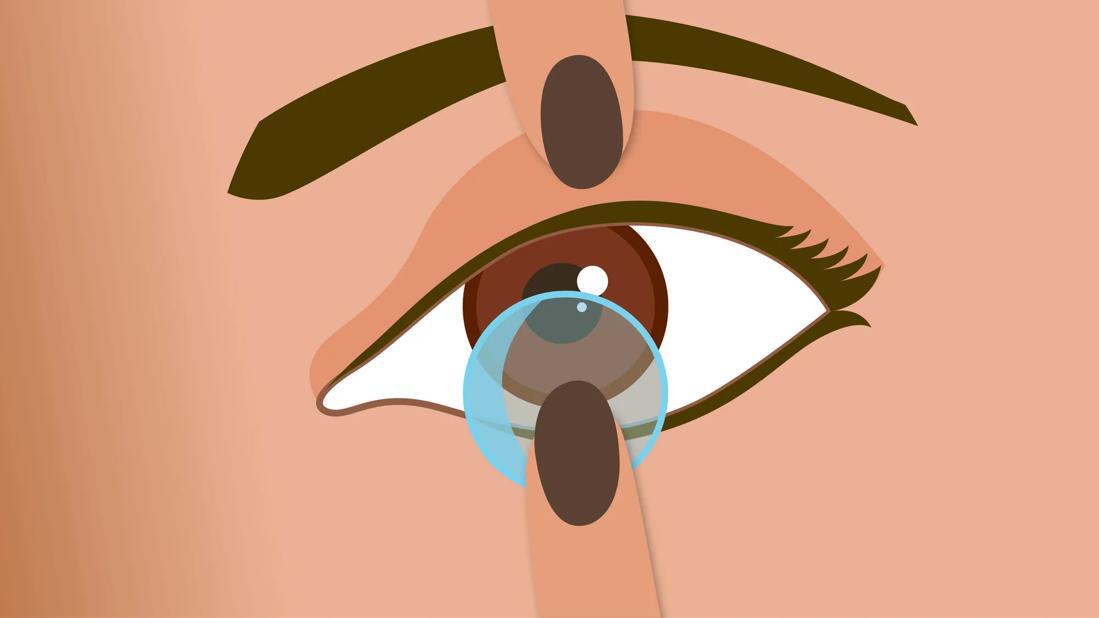
If you’re a long-time glasses wearer or haven’t used contacts in a while, you may have a lot of questions about how to properly use contact lenses.
Maybe you’re asking yourself: How long do contacts last? Do they expire? Should I choose reusable or dailies?
Whatever your questions, you should know that contacts require a certain amount of upkeep and attention. “Ignoring the replacement schedule of your contact lenses can cause serious problems,” says optometrist Wes Immler, OD. “This can range from minor irritation to permanent damage.”
Dr. Immler shares what you should know when considering daily or reusable contact lenses.
What’s the lifespan of contact lenses?
How long your contacts will last depends on the type of lenses you’re using and how you care for them. While disposable lenses last anywhere from one day to a month, reusable lenses can last up to a year.
Keep in mind: While reusable contacts have a longer wear period than disposable ones, they still need to be taken out and stored in fresh solution each night.
Disposable contact lenses
Disposable lenses are designed to be worn for a certain amount of time and then discarded. These contact lenses are designed to safely stay in your eyes for around eight to 16 hours at a time.
Here are the types of disposable contact lenses you can choose from:
- Daily disposable.With dailies, you put in fresh lenses every single day with no need for contact solution. “These lenses are thinner and lighter, making them much healthier for the eye,” Dr. Immler points out.
- Weekly or biweekly disposable.These lenses are intended to be worn for a week or up to two weeks and then replaced with a new pair. Once the one- or two-week period is over, they’re discarded.
- Monthly disposable.Similar to weekly disposables, these lenses need to be replaced with a new set every 30 days. Once the 30-day period is over, they’re discarded.
- Extended wear.These special-case lenses have a replacement period ranging from one week up to 30 days, and are approved to be slept in overnight in some situations.
Reusable contact lenses
Reusable lenses are where you get a pair of lenses and wear them, clean them in a solution and then start the cycle again the next day. These are non-disposable contact lenses that can be worn for multiple months if cared for properly.
These are also called “rigid gas permeable (RGB) lenses.” The wear time for these is one to two years with proper care. These are usually recommended for people with high prescriptions, a large amount of astigmatism, or keratoconus.
“They are not used as commonly anymore but are beneficial and sometimes even the only option for certain people,” Dr. Immler notes.
Do contacts expire?
The answer is simple: Yes. Contacts absolutely expire and it’s never recommended to wear expired contact lenses. Contact lenses have expiration dates for a reason — they’re designed with specific materials that can degrade over time. You can view the expiration date on the box your contact lenses come in or consult your healthcare provider.
Using expired lenses can pose several risks, like:
- Material breakdown.Contact lenses can break down or degrade past their expiration date. This can make them more prone to tearing, which could result in pieces of the lens cutting into your eye and causing irritation or injury.
- Infection. Expired lenses might harbor more bacteria or fungi, increasing the risk for eye infections. Even with proper cleaning, expired lenses may not be as resistant to microbial buildup as fresh ones.
- Altered lens quality. Expired lenses might not provide the same vision correction or comfort as they did when they were within their usable time frame. The expired material might not retain moisture or shape as effectively, leading to blurry vision or discomfort.
As there is an array of contact lenses to choose from, you can pick a type that works with your schedule and lifestyle. Then, just make sure to know your replacement schedule and be strict about following it.
If you’re not sure what type of contact lens is right for you, talk to an eye care professional to learn more about your options.