
6 Tips To Prep for Flu Season
 October 09, 2023
From stocking your medicine cabinet to considering vaccination
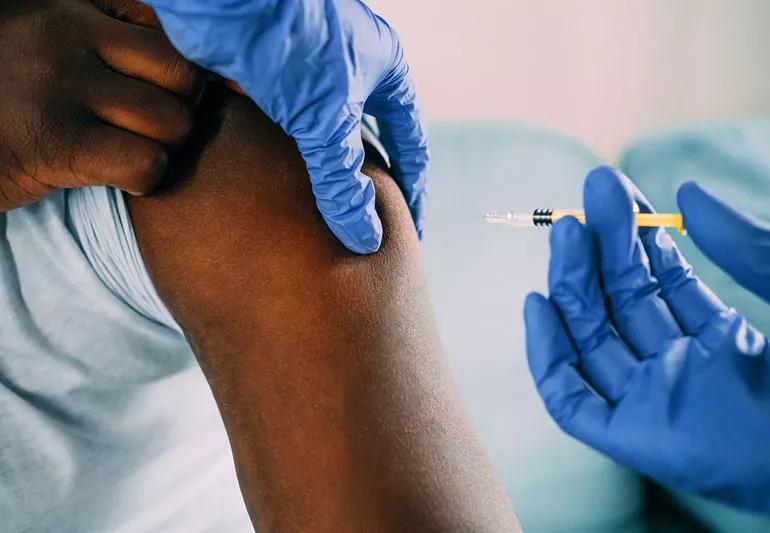
The flu can be a serious illness. And while we all know how it feels to be laid up with the flu (fever, body aches, stuffy or runny nose), it doesn’t mean it’s any easier to deal with the virus when it happens to you.
So, what steps can you take to protect yourself and your loved ones?
Infectious disease specialist Kristin Englund, MD, shares how to prepare for flu season, as well as what you can do if you do get the flu this year.
How to prepare for flu season
It starts with getting your flu shot, but there’s a few other things you can do as well to help reduce the likelihood you’ll get the flu.
Get your flu shot
Studies show the flu vaccine reduces your risk of flu illness overall and makes it less likely that you’ll get severely sick if you do become infected.
“The flu vaccine not only protects you, but it also protects all the loved ones around you,” says Dr. Englund.
Public health officials recommend flu shots for most people over 6 months old, though your healthcare provider can help you decide if it’s right for you.
“We recommend that people get a flu vaccine in September and October so we’re prepared for the beginning parts of the flu season,” Dr. Englund concurs. “We have seen in recent years that flu season can show up sooner and last a lot longer. So, it’s really important to get the flu vaccine as soon as it’s available for you.”
Wear a mask
Some people choose to wear masks during cold and flu season, especially in crowded spaces. While it’s not for everyone, it can help reduce the spread of illness in close-contact settings.
Additionally, masking can protect you from getting sick in other ways.
“I would encourage you to wear masks during the respiratory illness season,” says Dr. Englund. “There’s a lot of different viruses that can cause harm, not just COVID-19 or the flu.”
Stay vigilant with safety precautions
The flu virus spreads through droplets from the nose or mouth.
Simple habits like handwashing, covering coughs, and staying home when sick also lower your chances of catching the flu. Some people add extra steps like masks or distancing, depending on their comfort level.
Know what to do if you get sick
The flu and COVID-19 have many overlapping symptoms, such as fever, cough, shortness of breath and muscle aches.
If you develop flu-like symptoms, check in with your healthcare provider. They can help confirm whether it’s influenza or another illness and recommend treatment, which may include antivirals.
Stock your medicine cabinet
You can also prepare for the flu at home. Dr. Englund suggests keeping a few items handy in case the flu hits: A fever reducer like acetaminophen (Tylenol®), ibuprofen for muscle aches, cough syrup and a thermometer.
“There are a lot of great over-the-counter medications that you can use just for symptomatic relief,” she continues. “Get a flu and cold medication to also help cut down on the nasal stuffiness and the cough that you might have.”
If you have an underlying condition that puts you at greater risk for severe illness, it may also be helpful to have a pulse oximeter at home, which measures the levels of oxygen in your blood.
Stay home if you’re sick
If you’re sick, the best way to protect others is to stay home, rest, and avoid close contact. If you have to be around others, take extra precautions to reduce spread.
“A person is most likely to spread influenza to others the day before they develop symptoms and for the next five to seven days,” explains Dr. Englund. “Contact your doctor to see if you are a candidate for the antiviral medications that can shorten your time of feeling poorly.”
Bottom line?
Winter is also prime time for other contagious viral illnesses like respiratory syncytial virus or RSV (which commonly infects children) and norovirus (a stomach bug).
Many of the recommendations for curbing the spread of the flu can also help keep these viruses at bay. Washing your hands frequently, disinfecting high-touch surfaces often, practicing good cough etiquette and staying home when you’re sick are good practices during the winter no matter what.
“I think we’re going to have to get very comfortable with practicing all of these preventative measures,” Dr. Englund says.
Flu season often overlaps with other viruses like RSV and norovirus, so taking precautions — from handwashing to rest when sick — can help protect your family.