
Grab Your Tweezers: Here’s How to Safely Remove a Tick
 April 26, 2024
Using blunt-tipped tweezers, pull the critter up gently to remove it from your kid’s skin and then bag it to take to a healthcare provider for identification

Pool days, barbecues, ice cream … and ticks? Unfortunately, summer fun goes hand-in-hand with tick season from May to October. And that means parental fears of their kids getting bitten run rampant the closer we get to warm-weather months.
“This can be very emotional for parents,” says pediatric infectious disease specialist Frank Esper, MD. “It’s scary when they find a tick burrowing in, and there’s a lot of concern about the diseases ticks can transmit.”
So, what can you do to prevent tick bites? And what should you do if your child has been bitten? Dr. Esper shares some easy-to-follow guidelines.
Where to look for ticks
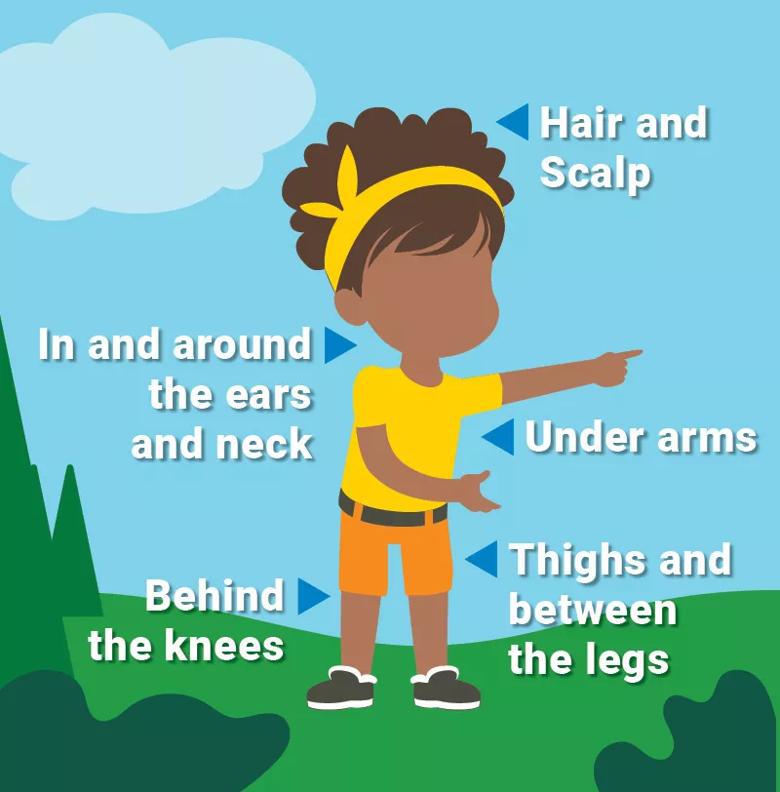
Once your child comes in from outside, examine their skin from head to toe, including those hard-to-reach places like in and around their ears, between their thighs and legs, and along their hairline.
When a tick latches on, it hooks its mouthparts under the skin for better grip and holds on until it feeds itself full of blood and falls off. The tick, itself, won’t burrow below the skin, so it should be noticeable, about the size of a small poppy seed or apple seed.
Step-by-step: How to remove a tick
If you find a tick that needs removing, avoid using petroleum jelly or burning it off with a lighter. These tick-removal methods are less effective. Using a lighter increases your or your child’s risk of getting burned, and petroleum jelly allows the tick to stay attached to your skin for even longer.
Instead, grab a pair of blunt-tipped tweezers and follow these steps:
- Grasp the tick with the tweezers as close to the skin as possible.
- Give it a gentle, steady pull upward. Don’t abruptly jerk or twist because part of the tick (usually, the head or its barbs) may still remain in the skin. If this happens, that part of the tick will likely come out on its own eventually.
- Bag your tick to take to a physician for identification. If it’s a species of tick that can carry Lyme disease, you live in a hyper-endemic region (like Alaska, Texas or Hawaii), the tick was estimated to be attached for longer than 36 hours and it’s within three days of removing the tick, your pediatrician may give your child a one-time dose of doxycycline. This antibiotic helps prevent Lyme disease from developing.
- Clean the area with disinfectant or soap and water.
Tick risks
Dr. Esper says the odds that your child has contracted a tick-borne illness are low, even if you live in a tick disease hotspot.
“If you or your child has been bitten by a tick, and it’s been less than 36 hours, the likelihood of it transmitting Lyme disease is less than 3%,” he explains. “For transmission, the tick has to have been feeding on you for two days or more. Even then, we calculate the risk to be 25%. So, that’s still a 75% chance you’re not going to get the infection.”
Other known illnesses that can be transmitted through tick bites include:
- Tularemia.
- Rocky Mountain spotted fever.
- Anaplasmosis.
- Babesiosis.
- Ehrlichiosis.
- Powassan virus.
- Heartland virus.
Tick prevention
So, how can you ensure you reduce the risk of dealing with ticks in the first place? Dr. Esper suggests the following tips to help prevent ticks from setting up shop in your yard and around your house.
Wear tick repellant
Put insect repellents containing DEET, picaridin, oil of lemon eucalyptus (OLE) or permethrin (at least 0.5%) on your skin AND clothing. Ticks are just hanging out, waiting for their dinner. Repellents disguise your body heat and odor, stopping ticks from picking you as their next meal train. Bonus: Permethrin-based repellents can withstand about a month’s worth of machine washings.
Keep an eye on your pets
Check your pets for ticks, especially if they spend a lot of time outdoors or in woodland areas. Ticks can catch a ride on their hairy backs and make it indoors without being spotted. Plus, dog ticks (or wood ticks) are often twice the size of deer ticks and come with their own set of illnesses that can be transmitted to humans if bitten.
Maintain your weeds and take care of your yard
“Most tick exposures happen not during hiking but in people’s yards,” clarifies Dr. Esper. “Well-manicured grass acts as a buffer zone against them. They don’t like open areas.” But take caution around your yard’s edges — or better yet, put in mulch or gravel to prevent ticks from traveling to your grass.
When to seek medical attention
Despite your vigilance, you may not know if your child has been bitten by a tick. While tick disease symptoms can appear at any time, Dr. Esper recommends seeing a doctor if you notice any of these signs:
- Rash associated with a tick-related illness (for example, a bullseye rash with Lyme disease).
- Body aches.
- Fever.
- Joint pain.
- Shakes or chills.
“Less than 50% of children show generalized signs of illness like chills, headache, fatigue, muscle and joint aches. However, most will show the rash,” explains Dr. Esper.
“The rash often appears within seven days as an expanding, red, circular rash similar to the appearance of a ‘target’ at the site of the tick bite. So, if you remove a tick, monitor that area for the development of the rash. If you see a rash, take a picture and discuss with your pediatrician or healthcare provider about the next steps.”