
Fast Action: How To Quickly Stop Wheezing
 September 17, 2025
Simple at-home solutions, like doing pursed lip breathing and drinking a warm beverage, can often bring immediate relief
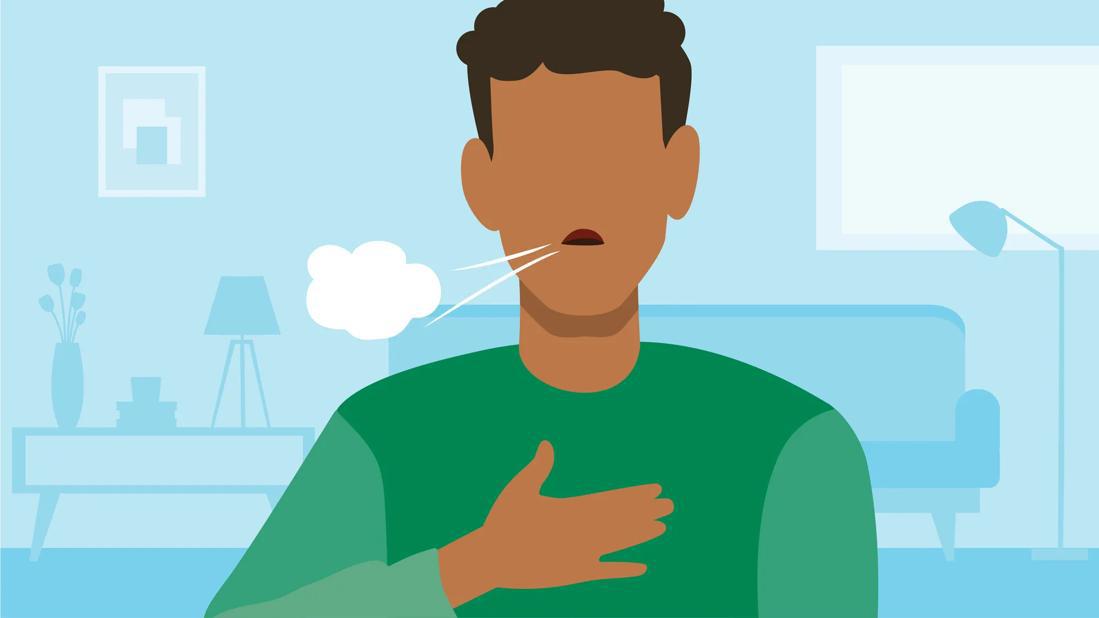
Breathing is usually a quiet experience. But you may sometimes hear something extra, like a high-pitched whistle or deep rattling noise, as the simple act of inhaling and exhaling grows more difficult.
This wheezing is caused by inflammation and a tightening of your airways — and it can be alarming, to say the least.
So, what can you do to get air flowing freely through your lungs again? Let’s find out from pulmonologist Neha Solanki, MD.
Home remedies to reduce wheezing
Your plan of attack to halt wheezing depends in part on its underlying cause. Allergies and asthma are common triggers. Ditto for various illnesses and infections that gunk up your airways with mucus. (Yuck, right?)
Here’s what you can try in certain situations to put a stop to your wheezing.
Drink warm liquids
A cold or general case of the crud can ramp up mucus production and leave your airways less than clear. Mucus-related wheezing often sounds deeper, like a snore, when you breathe in and out.
“In that case, drinking warm fluids [like warm tea] can help thin out mucus and loosen it up so it can move out of your airways,” says Dr. Solanki.
Take a warm shower or bath
Breathing in steamy air from a warm shower or bath works to break up mucus that has settled in your chest. (It’s the same basic concept as drinking warm fluids.)
“Mucus can thicken and harden in your airways, which can make it difficult for air to get through and will lead to the wheezing you hear,” explains Dr. Solanki. “If you’re able to thin out that mucus, you breathe easier.”
Run a humidifier
Using a humidifier can help address wheezing in a few ways. Breathing in moist air can:
- Address any problematic mucus that has settled in your respiratory tract.
- Soothe airways irritated and inflamed by exceedingly dry air, which can be an issue during winter or in arid climates.
It’s best to keep indoor humidity levels between 30% and 50%, advises Dr. Solanki.
Do pursed lip breathing
A technique known as pursed lip breathing — which calls for taking slow and deliberate breaths — may help you relax tightened airways that may be causing your wheezing. (This is ideal if your wheezing is related to asthma, but it can also be used in any circumstance.)
To do pursed lip breathing:
- Inhale slowly through your nose for two seconds with your mouth closed. You should feel your stomach slowly grow larger as you breathe in, like it’s gradually inflating with air.
- Purse (or pucker) your lips like you’re going to whistle or gently blow on a hot drink.
- Exhale slowly and fully through your pursed lips, which should take four or more seconds. You should feel your stomach shrink as you breathe out, almost as if it’s deflating.
“What you’re doing is increasing the amount of time the air in your lungs has to exit,” explains Dr. Solanki. “By slowing down the process, you can help your lungs and regain control of your breathing.”
Avoid triggers
Allergens and irritants in the air can lead to the sort of airway inflammation that brings on wheezing, says Dr. Solanki. Triggers could include:
- Mold
- Dust
- Pet dander
- Smoke
- Strong odors
Distancing yourself from allergens and irritants that bring on wheezing may reduce your symptoms or keep them from escalating.
Avoiding and managing your triggers, particularly if you have asthma or allergies, can limit your risk of sudden breathing issues. Using an air purifier indoors may help reduce exposure to household allergens.
Use medications
Prompt use of an inhaler when asthma-related wheezing begins can expand narrowed airways. Wheezing related to asthma usually comes with a high-pitched sound that may sound like a whistle.
“Don’t wait too long,” urges Dr. Solanki. (Even better, take action before you start wheezing if you begin to experience breathing issues.)
Antihistamines or other allergy medications may help reduce airway inflammation related to allergies. Over-the-counter cold medications may help relieve congestion that could be behind your wheezing, too.
How quickly can wheezing be stopped?
Any of the above at-home remedies and tips should offer some quick relief from mild wheezing, sometimes within 10 to 15 minutes, says Dr. Solanki. Wheezing often just fades away on its own, too.
But sometimes, wheezing may be a sign of a larger issue that needs medical attention. Dr. Solanki recommends seeing a healthcare provider if:
- Wheezing is accompanied by chest pain or chest pressure.
- Breathing becomes so labored that it’s difficult to talk.
- It’s difficult to catch your breath doing normal activities.
- You notice a bluish tinge on your skin, mouth or nails.
Chronic (or regular) wheezing that comes and goes also shouldn’t be ignored.
“If inflammation is left untreated, it can become persistent inflammation and eventually lead to scarring,” cautions Dr. Solanki. “Get checked out and find out what the underlying issue is. It’s very important to take care of your lung health.”