
Scleral Icterus
 July 23, 2024
Scleral icterus is when the whites of your eyes look yellow. It happens when your liver isn’t correctly filtering a compound called bilirubin out of your blood. This issue can happen at any age but is most likely to happen to newborn babies and adults with certain health issues (most of which are more likely as you get older).
Overview
What is scleral icterus?
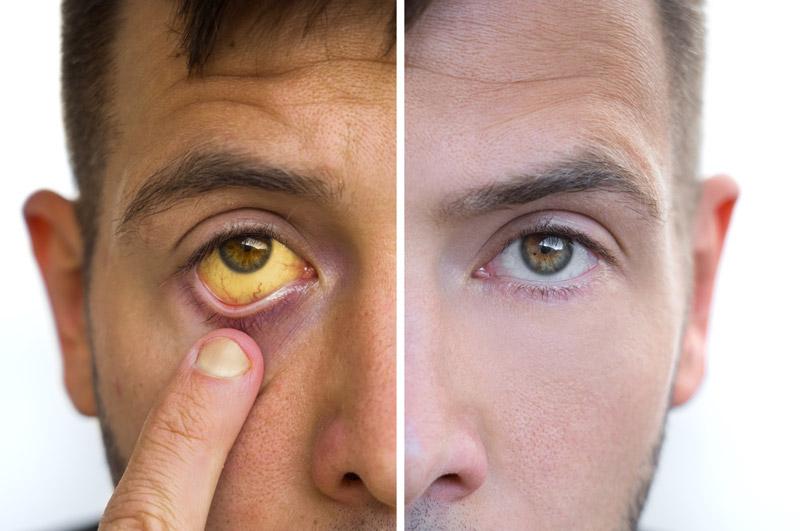
Scleral icterus is a common term for when the whites of your eyes (sclera) look like they’re turning yellow. It happens with liver-related conditions and similar digestive tract issues. People often refer to this as “jaundice,” but that term can refer to yellowing of your skin, too. Scleral icterus is specific to your eyes.
Scleral icterus is the more common name used among both medical experts and nonexperts, but the more accurate name is “conjunctival icterus.” The color change is actually in the conjunctiva, a thin, clear membrane that lines the white of your eyes and inside of your eyelids.
What’s the difference between scleral icterus and jaundice?
Jaundice is a broader term for the yellowing of your eyes and skin from too much bilirubin in your blood. Scleral icterus also describes that yellowing, but it’s only talking about your eyes.
Possible Causes
What are the most common causes of scleral icterus?
Scleral icterus happens when you have too much bilirubin in your blood (hyperbilirubinemia). Bilirubin is a compound your body makes while breaking down old red blood cells. Your liver is supposed to filter bilirubin out of your blood and release it into bile, which helps with digestion. The bilirubin in your bile eventually breaks down further and leaves your body in your poop.
But if too much bilirubin accumulates in your blood, it can cause color changes like those that happen with scleral icterus. The color changes first affect your eyes and then your skin. If it keeps accumulating, bilirubin can become toxic and even cause confusion and other disruptions in brain activity.
Scleral icterus is one of the earliest and most noticeable signs of a liver issue because:
- Bilirubin builds up so easily in the conjunctiva that even slight level increases make the sclera underneath look yellow.
- Bilirubin’s yellowish color in the conjunctiva stands out because the sclera acts like a white background.
- Looking people in the eye is a common part of many social interactions, and it’s common to look at yourself in the mirror at least once per day (if not a few times).
What causes high bilirubin levels?
Some of the most common reasons for high bilirubin levels, which lead to scleral icterus, include:
- Alcohol-related liver damage. Long-term alcohol overuse can damage your liver and eventually cause permanent scarring (cirrhosis).
- Autoimmune hepatitis. This is when your immune system mistakenly attacks your liver tissue.
- Chronic health conditions. Congestive heart failure can indirectly affect your liver, increasing bilirubin levels and causing scleral icterus. An overactive thyroid gland (hyperthyroidism) can also cause it.
- Gallbladder and pancreas conditions. Gallstones, gallbladder diseases and bile duct narrowing (strictures) can lead to higher bilirubin levels. It can also happen with pancreatitis and other pancreatic conditions.
- Genetic diseases. Examples include Wilson disease and sickle cell disease. There are also several inherited conditions that affect how your body makes, uses and breaks down bilirubin. One example is Gilbert’s syndrome, which usually isn’t serious.
- Neonatal jaundice. Scleral icterus (and jaundice, in general) is common in babies under 2 weeks old. It’s common overall, but severe cases are rare.
- Leptospirosis. There are dozens of species of this type of bacteria, and they can infect animals (wild and domestic) and humans. Severe cases can cause scleral icterus.
- Medications. Several medications can cause high bilirubin, too, ranging from steroids to contraceptives to antibiotics like rifampin. Even common, over-the-counter (OTC) medications like acetaminophen (Tylenol®) can cause liver damage when you take too much.
- Parasitic infections. Your liver may not work correctly when you have parasitic infections. Examples include schistosomiasis or ascariasis.
- Sepsis. Your liver can stop working correctly when you have sepsis, a life-threatening immune system overreaction to infections spreading throughout your body.
- Toxins. Many substances can disrupt your liver function. Some of these see widespread use in folk remedies and supplements, like herbs used to make “bush tea” or kava. And it’s also possible with lead or arsenic poisoning.
- Tumors and cancers. Blockages in the bile duct or other areas around your liver can affect how it processes bilirubin. Those blockages can be either benign (harmless) tumors or malignant (cancerous) ones. The risk of both goes up with age.
- Viral infections. Examples include viral hepatitis (multiple types), cytomegalovirus (CMV) and Epstein-Barr virus (EBV).
Care and Treatment
How is scleral icterus treated?
The treatment for scleral icterus depends mainly on what’s causing it. Because there are so many conditions that can cause it, there are many different treatments. Your healthcare provider is the best person to tell you about the treatment options for your specific case.
What are the possible complications or risks of not treating scleral icterus?
Scleral icterus isn’t dangerous on its own, but it can indicate that your liver isn’t working correctly. Without treatment, bilirubin can build up and reach toxic levels. That’s especially dangerous if it affects your brain. Bilirubin toxicity can cause kernicterus in infants and hepatic encephalopathy in adults. Both are extremely serious and need emergency care.
Can scleral icterus be prevented?
Scleral icterus isn’t 100% preventable, but there are several things you can do to reduce your risk of developing conditions that cause it.
- Consume alcohol in moderation. That means no more than two drinks per day for men and no more than one drink per day for women. That greatly lowers your risk of developing alcohol-induced liver damage.
- Get vaccinated. Several of the viruses that can cause hepatitis are vaccine-preventable. Staying current on vaccinations can keep you from developing hepatitis-related liver damage, no matter your age.
- Be careful with herbs, supplements and medications (even over-the-counter ones). It’s very easy to accidentally take too much acetaminophen, for example, because it’s a common ingredient in combination OTC medications (like for a cold or the flu). And you should always talk to a healthcare provider before you start taking herbs or supplements. Many can interact with other medications you take or cause unwanted side effects.
- Get an annual physical exam.Routine blood tests (including a bilirubin test) are part of a standard annual physical, and they can often detect liver function changes before you have any symptoms. And your primary care provider can monitor your health long-term to help you reduce the risk of liver issues (or many other conditions).
When To Call the Doctor
When should a doctor or healthcare provider treat scleral icterus?
Your liver is a critical organ, and scleral icterus is a sign that something may be wrong with it. You should never try to self-diagnose or self-treat the cause of scleral icterus. If you notice the whites of your eyes turning yellow but don’t have any other symptoms, schedule a doctor’s appointment as soon as you can.
One thing to remember is that the lighting around you can play a role here. “Warmer” lighting or décor are popular because they contribute to a cozy- or relaxed-feeling environment. They can also make your sclera look yellower than they’d look under neutral lighting. You might want to check the color in places with more color-neutral lighting and surroundings to be sure.
When does scleral icterus need urgent or emergency medical care?
Scleral icterus can be a more urgent reason for concern when you have certain other symptoms, too. Even symptoms that might not seem related to each other could still be important.
Symptoms that need prompt medical care when they happen with scleral icterus include:
- Nausea and vomiting (especially when they’re frequent, disruptive or make it hard for you to stay hydrated).
- Abdominal pain that’s longer-lasting and/or severe.
- Abdominal fluid buildup, swelling or tenderness, especially around your liver (it’s just below your breastbone and slightly to the right).
- Fever.
- Dizziness or fainting.
- Confusion, disorientation or lethargy (being less responsive or not responding at all).
Additional Common Questions
At what bilirubin level does scleral icterus begin?
In adults, scleral icterus can start at a total serum bilirubin of around 3 milligrams per deciliter (mg/dL). A normal total serum bilirubin for anyone more than 31 days old is 0.2 mg/dL to 1.3 mg/dL.
When does a higher-than-normal bilirubin level become serious?
In adults, the total serum bilirubin (TSB) level becomes a serious concern when it goes over 15 mg/dL.
For newborns, it works a little differently. A total serum bilirubin level of 5 mg/dL to 6 mg/dL is normal. Jaundice (including scleral icterus) becomes a serious concern if any of the following happens:
- It starts within the first day after birth.
- Their TSB is in the 95th percentile (meaning it’s equal to or higher than TSB in 95% of infants at the same number of hours or days since birth).
- Their TSB increases by more than 0.2 mg/dL per hour, or by more than 5 mg/dL per day.
Treatment for newborns usually starts when TSB levels reach 15 mg/dL. If levels go above 20 mg/dL, they can become dangerous. That’s why treatment starts at a much lower TSB level.
Because scleral icterus and jaundice are more complex in newborns, your child’s pediatrician is the best source of information about what your baby needs. They can tell you what to watch for and when to seek medical attention for your baby.
A note from Wockr
It might be concerning or even alarming to look in the mirror and see the whites of your eyes turning yellow, especially if you don’t feel different or notice other symptoms. But scleral icterus can be an important early symptom of liver issues. That’s because it happens even with relatively small increases in how much bilirubin there is in your blood.
If you notice your sclera looks yellow, schedule an appointment with a healthcare provider and see them at the earliest opportunity. They can run tests to find a cause, determine if it’s serious and find ways to treat it.