
Should You Be Worried About COVID Arm?
 May 30, 2024
Redness, swelling, itching and rash can happen when your body’s immune system reacts to the vaccine injection
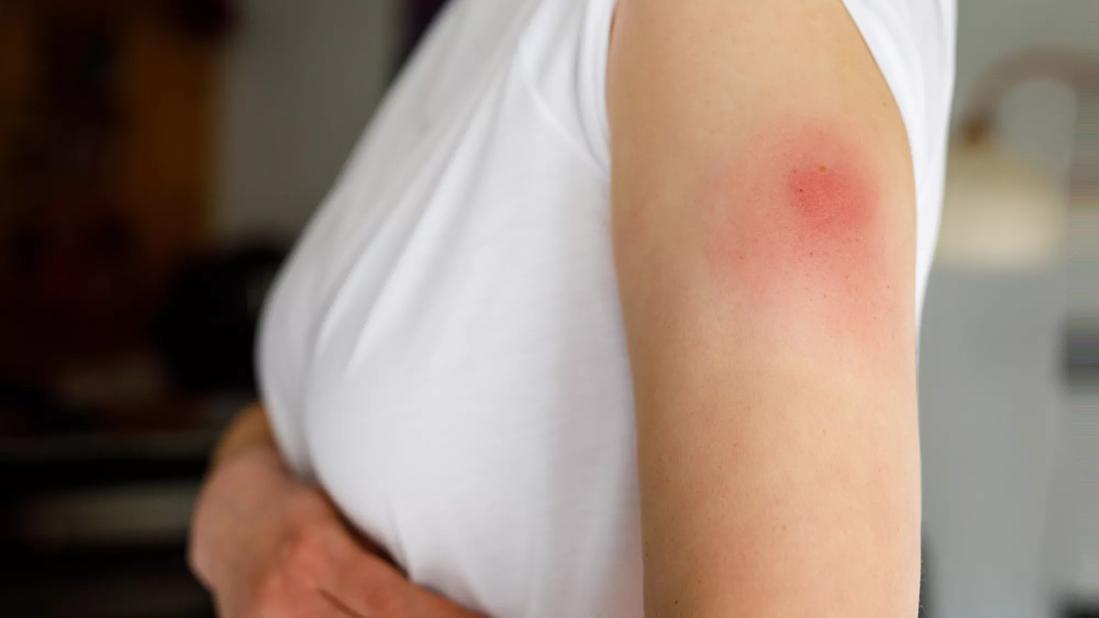
Like many vaccines, the COVID-19 shot can sometimes cause side effects, like mild, flu-like symptoms. But what if shortly after your vaccine, you’re still feeling pain in your arm and notice a big, itchy, red blotch near the injection site?
It’s been dubbed “COVID arm,” a rare symptom that some people have reported after being vaccinated for COVID-19. If you’re experiencing this, you’re likely wondering if it will clear up on its own or if it’s something you should be concerned about. And how do you know if something more serious is going on?
Inflammation and immunity specialist Thaddeus Stappenbeck, MD, PhD, explains what COVID arm is, why it happens and how to find relief.
What is COVID arm?
COVID arm is thought to reflect your immune system’s response to the vaccine. While it can be uncomfortable, it’s usually temporary and not considered dangerous.
Symptoms of COVID arm include:
- Redness
- Swelling
- Soreness
- Rash at the injection site
- Rash that spreads to your hands or fingers
- Intense itching
- A purple, red or discolored rash near the injection site
- Warmth at the injection site
This doesn’t just happen with COVID-19 vaccines either, points out Dr. Stappenbeck. If you’ve ever had a tuberculosis test where you receive the injection under your skin and then get checked a day later to see if there’s any puffiness, what they’re testing for is something called a “delayed-type hypersensitivity reaction.”
Side effects of COVID arm typically occur about seven days after the first shot and about two days after the second dose. “It usually takes a few days to develop,” confirms Dr. Stappenbeck.
What causes COVID arm?
This unusual symptom happens because of the way our immune system works. When you get the COVID-19 vaccine, it contains a tiny piece of the virus that instructs your body how to recognize and respond to the virus. This helps your immune system learn how to fight the virus if you ever come in contact with it.
“What we essentially think is going on with COVID arm is that your immune cells are reacting to muscle cells that have taken up the messenger RNA vaccine,” explains Dr. Stappenbeck. “The immune cells can be a little over-exuberant because they view the SARS-CoV-2 spike protein produced by the vaccine as an infection that they need to fight off.”
In some people, their immune system responds strongly to the vaccine. It sends lots of immune cells to the area where you got the shot, causing side effects in the arm and throughout the rest of your body.
“That’s the puzzling thing when it comes to COVID-19. You’d think that this virus would just cause a cold and that’s it. But when it gets deep into your lungs, then it’s a race against the clock. The part of your immune system that’s making the antibodies will ramp things up to clear the virus,” he continues.
With the vaccine, Dr. Stappenbeck adds that your innate immune system is trying to destroy that piece of virus from the immunization. “Vaccines help your body begin making antibodies more quickly if you’re exposed to the virus, which may lower the risk of severe illness.”
How long does COVID arm usually last?
You can expect symptoms of COVID arm to last for a few days to a week. It’s a temporary side effect of the COVID-19 vaccine and usually goes away without needing any specific treatment. In most cases, people notice improvement within a few days, and the redness, swelling or rash on the arm gradually fades.
“COVID arm usually goes away within a few days and is not life-threatening,” Dr. Stappenbeck reiterates.
If you notice your symptoms lasting longer than a week or if they worsen, you should contact a healthcare provider for guidance and to rule out any other potential issues.
Treating COVID arm
If you’re experiencing COVID arm, here are some ways to ease the discomfort:
- Use a cold compress:Applying a cold, damp cloth or an ice pack to the affected area can help reduce swelling and soothe any discomfort. “Rest and ice are good for most inflammatory conditions,” says Dr. Stappenbeck.
- Take over-the-counter pain relievers:Nonprescription pain relievers like acetaminophen or ibuprofen can help with any pain or discomfort. Make sure to follow the recommended dosage on the label.
- Keep the area clean and dry: Avoid rubbing or scratching the affected spot, and keep it clean to prevent infection.
- Stay hydrated:Drinking plenty of water can help your body recover and may reduce swelling.
- Move your arm gently: While your arm is healing isn’t the time to swing it around aggressively. But light movement can help. Move your arm gently to improve blood flow and reduce discomfort. But avoid overexerting yourself or strenuous exercise that could make it feel worse.
It’s also good to plan before your next COVID-19 vaccine. “If you’re worried about possibly having a sore arm after your next immunization, get it in the opposite arm to make things a little easier,” advises Dr. Stappenbeck.
The bottom line
If you notice symptoms like COVID arm after vaccination, it usually clears up within a week. If your symptoms continue or worsen, reach out to a healthcare provider for guidance.