
Smoking and Asthma: What To Know
 May 11, 2025
Smoking, including secondhand smoke, can worsen your asthma triggers and damage your airways
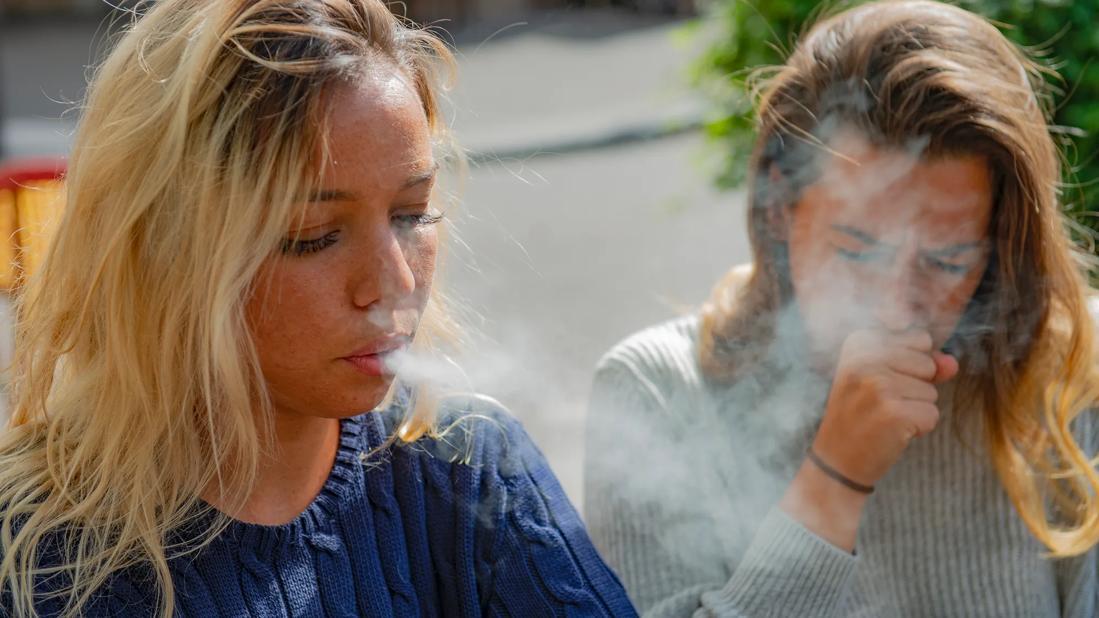
If you have asthma, you already know that your lungs are extra sensitive and can react to many triggers. When you come in contact with these triggers, they can set off symptoms like wheezing, coughing and shortness of breath.
Smoke is one of the worst triggers for an asthma attack. From cigars and cigarettes to pipes and vaping, smoke of any kind — including secondhand smoke — can increase your risk for coughing fits, troubled breathing and more.
Pulmonary medicine specialist Rachel Taliercio, DO, explains why smoking is such a powerful trigger and what you can do to prevent exposure.
What can happen if you smoke with asthma?
Inhaling smoke — even if it’s just a cigarette or two a day — causes irritating substances to settle in the moist lining of your airways. If you smoke and have asthma, you likely experience ongoing asthma symptoms because your lungs are in a constant state of stress. That means you have an increased risk of asthma attacks compared to someone who has asthma and doesn’t smoke.
“Any amount of smoking and vaping puts you and your lungs at risk,” reiterates Dr. Taliercio.
On top of being a strong trigger for recurring asthma attacks, smoke:
- Increases mucus production, leading to a buildup of irritating substances in your airways
- Damages your airways
- Increases your risk of lung cancer and other lung diseases
Secondhand smoke and asthma
Even if you’re not the one who’s smoking, your asthma can still be affected by the presence of secondhand smoke.
Tobacco smoke contains more than 7,000 chemicals, 69 of which are known to cause cancer. Even the residue of leftover smoke on furniture and clothing (thirdhand smoke) can trigger asthma symptoms and cause adults and children to develop respiratory illnesses.
“Children are especially at risk because their lungs are smaller and still developing,” shares Dr. Taliercio. “Kids are more likely to develop asthma symptoms when exposed to secondhand smoke. And children of people who smoked during pregnancy are 10 times more likely to develop asthma.”
Does quitting smoking help asthma?
While quitting smoking won’t cure your asthma completely, it can significantly improve your symptoms.
According to the American Lung Association, quitting smoking will reduce the irritation in your airways, lessen the inflammation in your lungs, and reduce your risk for further damage and lung disease. And, your asthma attacks will be triggered far less often.
“When you quit smoking, your sinuses and lungs start to heal. You’ll experience better breathing and a reduction or elimination of cough,” reports Dr. Taliercio. “Asthma can be a chronic condition and it’s important to continue having visits with your healthcare team to review your overall asthma control and medications.”
How to quit smoking so your asthma improves
Quitting is rarely easy, so ask for help if you need it. A healthcare provider or your primary care provider can set you up with resources and help you get on the right track with nicotine replacement aids like gums or patches.
Once you’ve decided you’re ready to quit smoking, communicate that decision with people you know and trust so they can honor your boundaries. “If your spouse or other family members smoke, help them understand the dangers of smoking and encourage them to quit, too,” recommends Dr. Taliercio.
To improve your asthma and leave smoking behind, you can also:
- Get rid of your cigarettes, vapes, filters, lighters and ashtrays.
- Join a support group or smoking cessation class.
- Avoid situations that may trigger your desire to smoke.
- Improve your mental and emotional health.
- Practice mindfulness and deep breathing techniques.
- Stay active.
It’s never too late to make a change for your health. If your constant asthma symptoms are making your life more difficult, quitting smoking can take some weight off your lungs and help you breathe easier.