
What Is Sun Poisoning?
 April 29, 2025
This ‘poisoning’ is actually a severe sunburn that seems similar to an allergic reaction
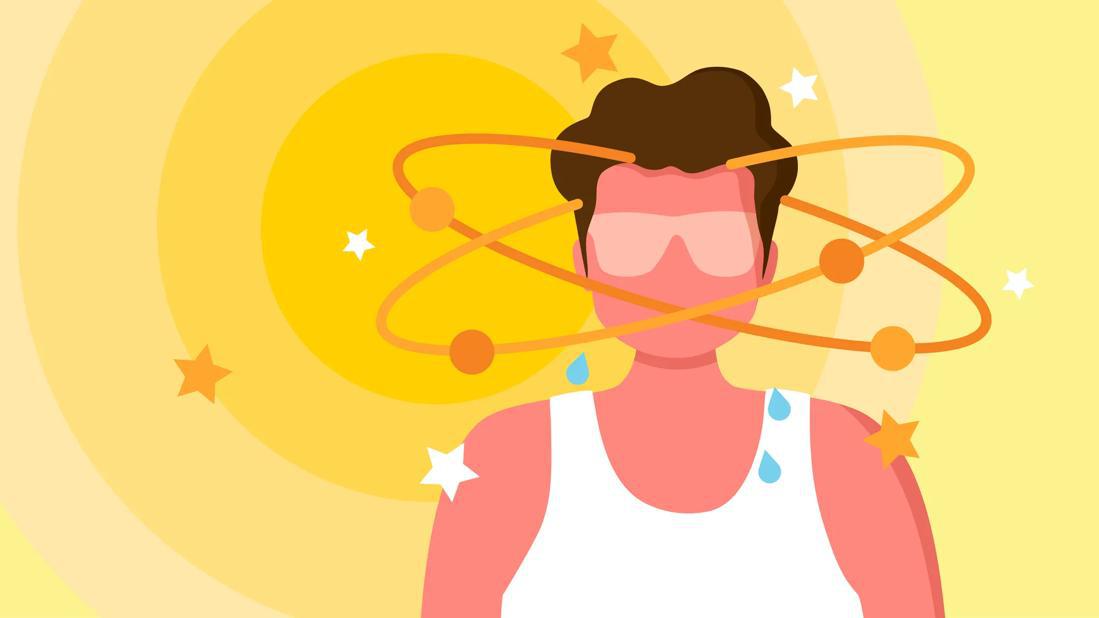
If you have sun poisoning, you may feel that familiar tenderness you associate with the average sunburn — the red shoulder or thigh that momentarily turns white when you press a finger against it.
But then, things take a turn for the worse after a few hours. You develop a blistering rash that itches and burns like mad. You start getting the chills and/or extremely thirsty. You might even experience nausea.
Sun poisoning may not be exactly what you think it is, but it’s certainly a cause for concern.
What is sun poisoning?
Even though “sun poisoning” isn’t a formal medical term, we’ve all heard of it. Family medicine doctor Matthew Goldman, MD, says it often mimics a flu bug or allergic reaction.
As a result, you can find yourself shivering in bed with a headache, fever and chills — all wrapped up with the redness, pain and sensitivity of a sun-scorched skin patch.
Sun poisoning symptoms
Depending on the severity, sun poisoning can cause a range of symptoms. Common signs of sun poisoning may include:
- Severe skin rash (often called a sun poisoning rash)
- Blistering or peeling skin
- Nausea
- Dehydration
- Dizziness
- Confusion
- Lightheadedness
- Shortness of breath
- Fainting
- Lip blisters
When you have sun poisoning, you’re not actually poisoned by UV (ultraviolet) rays. What you’re experiencing is intense pain and other reactions from the damage dealt to your skin. If you’re experiencing sickness, nausea, dizzying or general illness, chances are, this is a result of being severely dehydrated.
If you experience any of these symptoms, you should drink plenty of water and electrolytes to keep yourself hydrated and clear-minded.
So, how long does sun poisoning last? The pain and skin healing can continue for a few weeks, depending on the severity of the burn. If you scratch or pick at the burn, you run the risk of getting an infection. If you notice any bleeding or oozing, you should see a doctor immediately because it could be a sign of infection.
Who’s most at risk?
There are a lot of possible causes for sun poisoning and, in some cases, it has no known cause. Sun poisoning is more likely to occur in some people than others, such as:
- People with fair skin
- People who have a family history of skin cancer
- People who live near the equator and receive more intense sun exposure
Certain pre-existing conditions, medications and/or chemical exposure may predispose someone to sun poisoning. This can include:
- Lupus
- Certain antibiotics
- Topical medications
- Contact with certain plants, like parsnips
Sun poisoning treatment options
Treatment for sun poisoning can include:
- Cold baths or cold compresses
- Steroid creams
- Oral steroids
- Prescription pain medications
- Topical antibiotics
- IV fluids for dehydration
“Sun poisoning affects people differently, so doctors tend to focus treatment on a person’s specific symptoms,” clarifies Dr. Goldman.
How to prevent sun poisoning
To prevent sun poisoning, you want to take the same precautions that help you avoid sunburn. Here are some important tips to follow the next time you’re exposed to the sun:
- Use sunscreen. Use broad-spectrum (UVA and UVB) sunscreens with a sun protection factor (SPF) of at least 30. Apply this 15 to 30 minutes before sun exposure and reapply at least every two hours. And avoid tanning beds.
- Wear sun-protective clothing. Look for UPF (ultraviolet protection factor) clothing. Options include long sleeves, sunglasses, gloves and broad-brim hats. Tightly woven fabrics, thick and/or dark-colored clothing are also useful for protection.
- Avoid peak hours in the summer months. This means staying out of the sun for extended periods of time between 10 a.m. and 4 p.m.
- Limit time outside. And if you’re outside, try to find a shady area, like under a tree or inside a pavilion. It’s especially important for you to keep infants younger than 6 months out of direct sunlight.
- Be aware of medication side effects. Certain medications like nonsteroidal anti-inflammatory drugs (NSAIDs), diuretics and acne medication may cause photosensitivity.
Bottom line?
It can be easy to spend too much time out in the sun and wind up with a bad sunburn that may appear to be sun poisoning.
“If you have symptoms of sun poisoning, it’s important to see your medical provider,” stresses Dr. Goldman. “After examining you, they can determine the severity of the problem, as well as the best treatment.”