
Which Vaccines Are Required To Travel?
 December 05, 2023
Plan early — getting the right vaccines can help you stay healthy on your travels
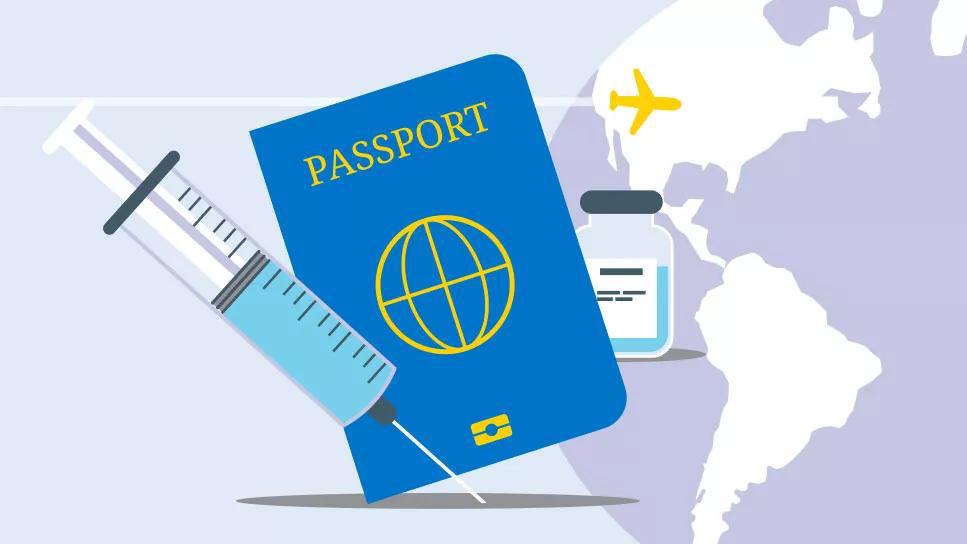
International travel may sound dreamy. But the dream can quickly fade into a nightmare if you get sick or contract a rare disease while traveling.
To make your vacationas smooth and healthy as possible, take some time to research where you’re heading and how to protect yourself there, advises primary care provider Daniel Sullivan, MD.
Getting the proper vaccinations before you head out can provide peace of mind and save you from searching for medical care in a foreign land. In some cases, you won’t even be allowed to travel without specific immunizations
What vaccines do you need? And how can you get them? Dr. Sullivan shares what you need to know about travel vaccines.
Do you need vaccines to travel?
Not every travel destination requires specific vaccinations. But protecting your health should always be a top priority.
What vaccines you should consider depends on a few things, such as:
- Where you’re heading
- Your age
- Your overall health and history
- What you’ll be doing there (for example, if you’ll be traveling for work as a health care provider, veterinarian or other role)
Dr. Sullivan offers this advice:
Vaccines for cruises
Cruises pack a lot of people into tight quarters — especially during things like mealtimes and shows. Respiratory viruses, like influenza (flu), COVID-19 and colds, can spread quickly in those conditions.
“Anytime you find yourself in a large crowd, you need to protect yourself from germs,” Dr. Sullivan says. “Even if you stay to yourself, you’re still touching the same surfaces and breathing the same air as other people.”
Before you embark on your journey, he suggests discussing routine vaccinations with your healthcare provider, including vaccines for:
“People don’t always realize how important the hepatitis A vaccine is in these situations,” Dr. Sullivan says. “We get hepatitis A from eating food contaminated with the virus. So, anytime you plan on eating food prepared by someone else, it’s a good idea to get the Hep A vaccine.”
Vaccines for out-of-country travel
Protecting your health can mean different things depending on the area of the world you plan to visit. You may be exposed to dangerous insects or animals, unsanitary water or rare disease outbreaks.
“All adults traveling anywhere in the world should check that their tetanus vaccination is up to date and consider getting vaccinated for hepatitis A and B if they haven’t been,” Dr. Sullivan emphasizes.
He also urges travelers to visit the U.S. Centers for Disease Control and Prevention Traveler’s Health website to find out what’s required and recommended for your particular destination.
When you enter your destination country into their database, it gives you all the information you need to stay healthy, including:
- A packing list of health-related items to bring
- Recommended vaccines to consider before you go
- Travel health notices, which are updated regularly
- What to avoid while there to limit your exposure to diseases
Non-routine vaccinations required for travel to some countries
Dr. Sullivan recommends staying up to date on typical vaccines like those for COVID-19, flu, tetanus and hepatitis A and B.
And depending on where you’re headed, there may be some additional non-routine vaccinations to get. Non-routine vaccines aren’t on the recommended immunization schedule for children or adults. But they may be required or recommended when traveling to certain places in the world.
“Learning about health concerns in the country you’re visiting is important,” Dr. Sullivan says. “Some vaccinations are required — you can’t get into that country or come back to the United States without evidence of the vaccination.”
For example:
- Cholera vaccines are often recommended for people with underlying medical conditions to reduce the risk of traveler’s diarrhea
- Rabies vaccines are recommended when traveling to countries where rabid animals are common
- Typhoid fever vaccines are recommended to keep you from contracting a bacterial illness passed through contaminated food or water
- Yellow fever vaccines are recommended to protect you from a virus spread by mosquitoes
- Japanese encephalitis vaccines may be recommended if you’re traveling to Asia or the Western Pacific and plan to stay for more than four weeks
Discussing vaccines with your provider is a good start. But it’s also important to take additional proactive measures against viruses common to the country you’re visiting.
For instance, if malaria — a mosquito-borne virus — is common where you’re going, consider bringing prescription medicine with you to treat it or taking antimalarial drugs to prevent it before you leave.
Where to get vaccines for travel
You can get routine vaccinations or check your vaccination status with your primary care provider (PCP). But check in with your provider as soon as you make travel plans — some vaccines may require multiple doses at particular timeframes.
For non-routine vaccinations, you’ll likely need to visit a travel clinic.
Travel clinics
Many mid-size and large health systems have infectious disease teams with expertise in non-routine travel vaccinations. They stock and administer those vaccines through a travel clinic. Some freestanding travel clinics may also offer those vaccines. (Pro tip: If you need the yellow fever vaccine, make sure to visit an authorized yellow fever vaccine clinic.)
“Primary care providers don’t typically store travel vaccines,” Dr. Sullivan states. “They aren’t used frequently enough, so a dedicated travel clinic is best for your non-routine vaccinations.”
If the travel clinic you choose is in your healthcare provider’s network, your patient record may automatically update when you receive the vaccines. If you get vaccinated outside that network, bring confirmation of the vaccines to your provider so they can add them to your vaccination records. That’s particularly important if your destination will require proof of vaccination to enter or leave the country.
Also, consider taking pictures of your vaccination records or bringing paper copies with you on your trip, in case any concerns arise.
Tips for staying healthy while traveling
Getting vaccinated is only part of the equation to staying healthy while traveling. Dr. Sullivan also recommends that you:
- Beware of unsafe water: Unsanitary drinking water can lead to a decidedly unpleasant vacation. Do your research and, when in doubt, stick to bottled water.
- Choose food carefully: You don’t know where food is sourced in foreign countries, so eat at reputable establishments and avoid street vendors.
- Stay hydrated: When you’re constantly on the go during vacation, it’s easy to get dehydrated — especially if you’re traveling in the summer. Dress in layers and drink lots of fluids.
If you get mildly sick or have stomach issues while traveling, Dr. Sullivan says a pharmacy can help. “Pharmacies and pharmacists are incredibly helpful in most parts of the world,” he shares. “Many of our prescription medications are available over the counter in other parts of the world. Pharmacists can provide guidance and help you get what you need to feel better.”
Safe travels!