
Can You Have a Contact Lens Allergy?
 December 16, 2024
While rare, it is possible to have an allergic reaction to materials used in contact lenses or ingredients found in contact solution
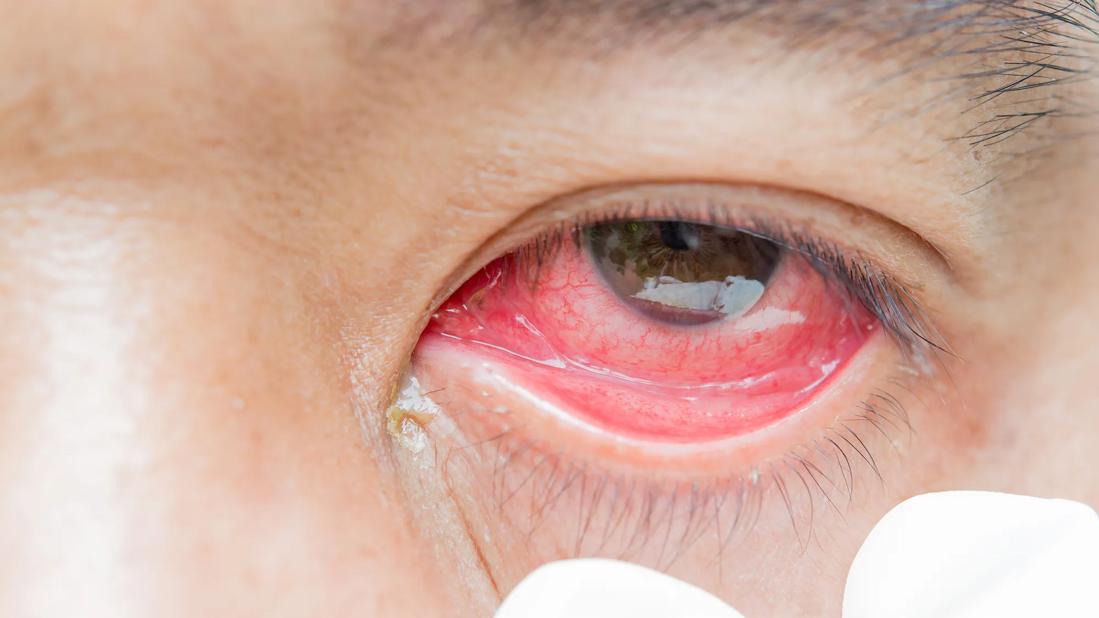
If you wear contact lenses, you know that they can often make things worse when allergies or an infection are irritating your eyes.
But it might surprise you to learn that you also could have an allergic reaction to the lenses themselves or to the solution you use with them.
So, how do you know if you have a contact lens allergy?
Optometrist Reecha Kampani, OD, explains why some people may be allergic to their contacts or even contact solution and what to do if you suspect you’re having an allergic reaction.
Can you have an allergic reaction to your contact lenses?
Yes, you can have an allergic reaction to contact lenses. It may be from the material used to make contact lenses such as silicone.
“But it’s not very common,” clarifies Dr. Kampani. “I don’t see a lot of patients with an allergy to silicone, but it can still happen.”
If you’re allergic to the materials used to make your contact lenses, you may experience:
- Red, itchy, water or burning eyes
- Excessive mucus
- Blurred vision
You may have giant papillary conjunctivitis (GPC), a condition when the inside of your eyelids become inflamed and form tiny bumps. This can be due to an allergy to your lenses or solution, but also can be due to the friction caused by your lenses rubbing against your eyelid or a buildup of proteins, pollen or dust on your lenses. This typically happens when you don’t clean or store your lenses correctly or from overwearing them. It may be more likely that you have an intolerance instead of an allergy.
Can you have an allergic reaction to your contact solution?
Yes, and it’s more common to be allergic to contact solution than the contact lens itself. For example, you may have an allergic reaction to the type of contact solution you use to clean, disinfect and store your contact lenses.
“It would likely be from a preservative that’s in the solution,” shares Dr. Kampani. “If you’re experiencing an allergic reaction from your contact solution, I would recommend switching to a hydrogen peroxide solution. Or consider a daily disposal lens, which doesn’t require the use of any contact solution.”
How to treat an allergic reaction to contact lenses or solution
Take a contact lens holiday (sounds fun, right?). The idea is to not wear your lenses or use your current brand of contact solution until you see your eye doctor and they can determine what’s causing your eye issues.
To help manage your symptoms, you may also need to:
- Use artificial tears. Look for one made without preservatives. Artificial tears can help decrease discomfort and irritation in your eyes.
- Apply a cold compress. You can find relief by putting a damp, cold washcloth over your eyes for a few minutes. This can help reduce blood flow and swelling.
- Try over-the-counter allergy drops. These types of drops block histamine and can help manage redness, itchiness and dryness in your eyes.
Your treatment will depend on the cause, says Dr. Kampani. In some cases, all you may need is to switch either your contacts or solution to remove the irritating ingredient or material.
“For example, if you’re just having intolerance, we might take a break from your contacts and then switch to a daily disposable lens so you’re opening a fresh lens each day,” she adds. “But if somebody has signs that there’s some damage — and depending on how bad it is — we may have to get them out of contact and switch to eyeglasses.”
Another possible solution? Consider LASIK eye surgery, which will remove the need for contact lenses or contact solution.
Bottom line
While rare, it’s possible you may have an allergic reaction to contacts or contact solution. If you notice symptoms like red, itchy eyes, it’s important to stop wearing your contacts until you’re able to seek medical treatment.
Depending on the cause of your irritation, you may need to take an extended break from wearing contacts. Your eye doctor may also suggest switching to a type of lens or solution that will be more comfortable for you.
And remember that following good contact lens hygiene is important — wash your hands before handling your lenses, don’t wear your contacts for too long and don’t sleep in your contacts — to maintain your eye health.