
Managing Alopecia Areata Eyebrow and Eyelash Loss
 June 06, 2025
Your immune system may attack hair follicles anywhere on your body
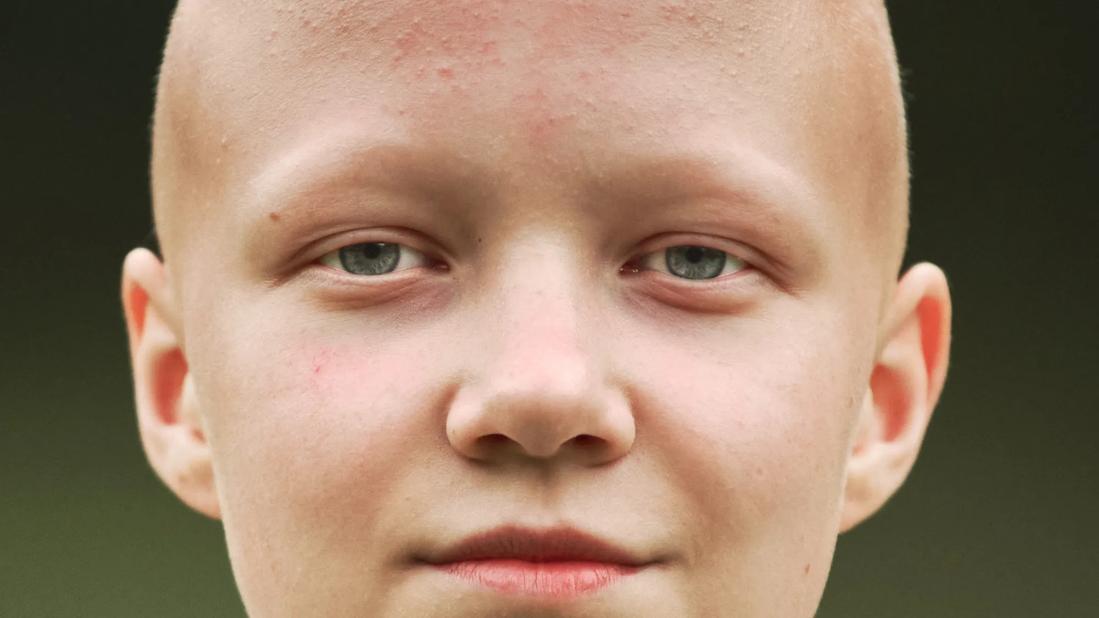
When you have alopecia areata, the autoimmune disease may cause you to lose your eyebrows and eyelashes in addition to experiencing patchy hair loss on your scalp. Many of the treatment options used for hair loss on your scalp can also be used to treat alopecia areata eyebrows and eyelashes.
How does alopecia areata affect your eyebrows and eyelashes?
Eyebrow and eyelash loss (known as madarosis) is common in people with alopecia areata.
“The immune system’s attack on the hair follicles can occur anywhere on the body,” says dermatologist Stephanie Trovato, MD. “Some studies have shown a connection between the likelihood of eyebrow and eyelash loss and an increase in the severity of hair loss on the scalp.”
How to treat eyebrow and eyelash loss from alopecia areata
Some of the treatments used for hair loss from alopecia areata can also treat eyebrow and eyelash loss — but because the areas around the eyes are so sensitive, the treatments may need to be modified a little.
Treatment options may include:
- Corticosteroids: You can take these anti-inflammatory drugs orally as pills or use an ointment, cream or foam that can be applied to your skin to help with eyebrow loss. Corticosteroid injections may also help.
- Minoxidil (Rogaine®): Your healthcare provider may suggest using this topical over-the-counter drug to treat eyebrow loss.
- Bimatoprost eye solution (Latisse®):This eye solution can help regrow both your eyelashes and eyebrows.
Your healthcare provider will recommend a treatment for eyebrow and eyelash loss that’s right for you while considering factors like how severe your alopecia areata is.
“There isn’t one form of treatment that will work for everyone,” explains Dr. Trovato. “It’s very dependent on your unique situation.”
When will my eyebrows or eyelashes grow back?
Dr. Trovato stresses that the timeline to see regrowth is based on the severity of your condition and your treatment plan.
“For topical anti-inflammatory medications, we hope to see some fine regrowth within three to six months of starting treatment,” she says.
Tips for managing eyebrow and eyelash loss from alopecia areata
Your eyebrows and eyelashes do more than just add to your physical appearance. They keep dust and debris from your eyes. If you’ve lost your eyebrows or eyelashes, Dr. Trovato suggests the following:
- Wear protective clothing: When you lose the protection of your eyebrows and eyelashes, it’s important to keep your eyes safe. Consider wearing eyeglasses, sunglasses or a hat.
- Use makeup:You may opt to use an eyebrow pencil or mascara to fill in sparse or missing eyebrows and thin eyelashes.
- Eat a well-balanced diet: Dr. Trovato recommends including iron-rich foods and foods containing vitamin D, such as salmon. “Also, prioritizing protein can be helpful for hair growth,” she notes. The Mediterranean diet may be a good option for you.
- Talk to your doctor about vitamin D supplements: Dr. Trovato says that many people have a vitamin D deficiency — and some research shows supplements may help with alopecia areata. “I recommend discussing this with your primary care team,” she highlights.
Bottom line?
When you have alopecia areata, there’s a good chance it may affect your eyebrows and eyelashes. If you begin to notice sparse eyebrows or lashes, there are things you can do to manage any hair loss in those areas. It’s also a good idea to talk to your doctor, who can recommend treatment options.
“Early evaluation and treatment by a board-certified dermatologist can be pivotal in aiding the regrowth of hairs on the eyebrows and eyelashes in the setting of alopecia areata,” concludes Dr. Trovato.