
How Too Much Niacin Can Raise Your Risk of Heart Attack and Stroke
 April 07, 2025
Though it was once used as a cholesterol-lowering medication, niacin is no longer a recommended treatment
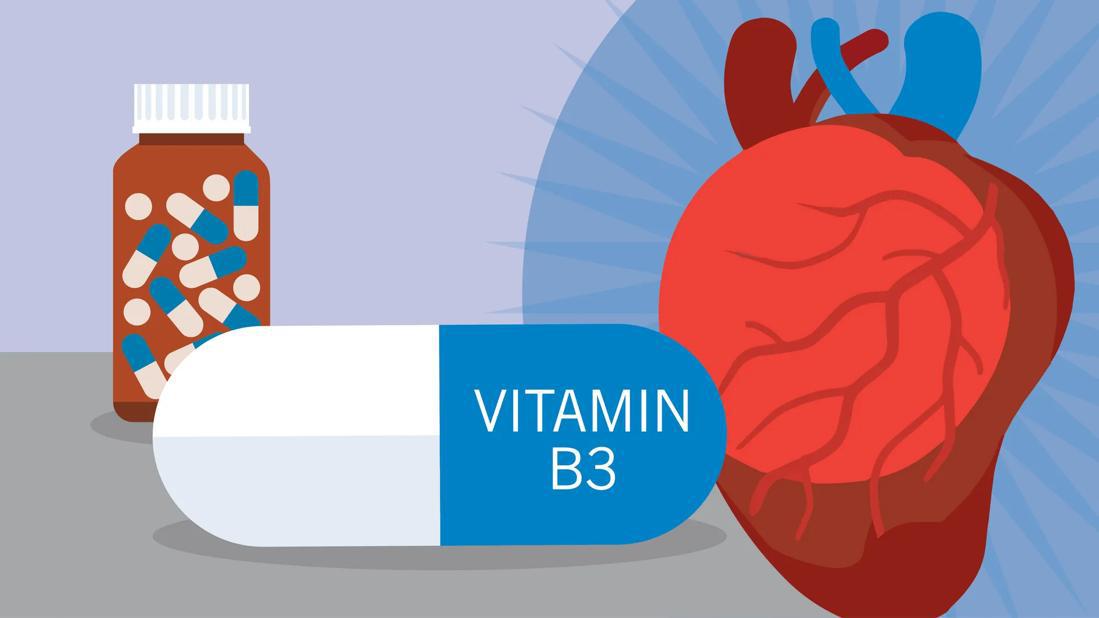
Niacin, aka vitamin B3, is sold as a supplement and in higher doses as a prescription drug. At prescription-level doses, it can help lower your circulating levels of “bad” LDL cholesterol, improve “good” HDL cholesterol levels and decrease triglyceride (fat) levels.
Sounds great, right? Not so fast. It also comes with some serious risks.
In the past, niacin was sometimes recommended to help people with hyperlipidemia (high cholesterol) manage their cholesterol — but not anymore. Here’s why.
Is niacin recommended for high cholesterol?
“Niacin is no longer recommended as a treatment for lowering cholesterol,” says preventive cardiology specialist Stanley Hazen, MD, PhD. “It’s just not as effective at lowering cholesterol as other medications are, and it can lead to adverse effects.”
But niacin was once a go-to recommendation. So, why the change?
Dr. Hazen explains that early studies showed that niacin alone could help lower LDL cholesterol, and even lower cardiac risks in subjects with very high levels of cholesterol. But newer cholesterol-lowering drugs — namely, statins — were shown to do a better job of reducing the risk of cardiovascular disease.
“That led to statins becoming the first-line therapy for treating elevated cholesterol,” he says. “Then, the question arose about whether adding niacin on top of high-potency statin therapy even provided added benefit or not.”
Researchers were also stumped by the so-called “niacin paradox” — a reference to findings that showed that while niacin reduces LDL cholesterol, it doesn’t always reduce the risk of cardiovascular disease.
“Despite niacin’s cholesterol-lowering effect, its overall benefits have always been less than anticipated,” Dr. Hazen adds. “This led to the idea that niacin could be causing some other negative effect.”
How niacin might be harmful
In a study published in early 2024, Dr. Hazen and a team of researchers found that a blood metabolite called 4PY — which is formed by excess niacin and related compounds — is associated with an increase in cardiovascular events like heart attack and stroke. It also directly promotes vascular inflammation, or inflammation in the blood vessels.
Imagine multiple taps pouring water into a bucket. Once the bucket is filled, it begins to spill over. Your body is the same way. When it gets enough niacin, it needs to process the extra. As it does that, it produces other metabolites, including 4PY.
“We found that 1 in 4 people in both the United States and European cohorts had high enough levels of 4PY to correspond to a doubling of the risk for heart attack, stroke or death,” Dr. Hazen reports. “In separate studies, 4PY was shown to directly promote vascular inflammation, which is a critical enabling step in cardiovascular disease.”
Other risks and side effects of niacin
Niacin has also long been the subject of debate around its effectiveness and safety because it’s associated with other serious side effects, like increasing the risk of diabetes. Other possible side effects include:
- Gastrointestinal problems
- Gout
- Liver issues
- Low blood pressure
- A slight increase in brain bleeding
- Skin rashes
- Stomach ulcers
People on certain medicines, including some for diabetes, also shouldn’t take niacin.
What about niacin supplements?
Niacin is a vitamin, and your body needs a certain amount of it — but too much, like in the form of over-the-counter supplements, can have negative effects. And here’s the thing: You probably don’t need any more niacin. Most people already get plenty of it through diet alone.
Dr. Hazen explains that it all goes back to the Great Depression, when food shortages led people to experience health issues related to nutritional deficiencies — including pellagra, aka niacin deficiency. As a result, the U.S. began fortifying foods like flour, cereal, oats and rice with more than 20 different compounds, including niacin.
“The amount of niacin that we ingest continues to increase to this very day because so much of our food and food staples are fortified,” he adds. So, it’s important to talk to your healthcare provider before trying to treat your high cholesterol with over-the-counter niacin supplements.
How to lower your cholesterol
If you’ve been taking niacin to lower your cholesterol, ask your healthcare provider about safer medication options. They may prescribe a statin, which works by helping to partially block your liver from making cholesterol. If statins aren’t right for you, there are other safe and effective options to try.
Importantly, healthy lifestyle habits can also help you lower your cholesterol naturally:
- Eat a heart-healthy diet. Focus on whole foods high in fiber and healthy fats, and limit processed foods.
- Get moving.Get at least two and a half hours of physical activity each week.
- Try to manage your stress levels.Therapy, mindfulness and yoga can help.
- Kick the tobacco habit. If you currently smoke, work on quitting.
“Even beyond their effects on cholesterol, all of these changes can go a long way toward lowering your cardiac risk,” Dr. Hazen encourages.
When combined with statins or other cholesterol-lowering medications, these lifestyle habits can help lower your cardiac risks and lower your cholesterol numbers to where they need to be — without niacin supplements.