
Is Getting a Flu Shot While Sick Risky?
 October 22, 2021
When it makes sense to delay your flu shot — and when it doesn’t
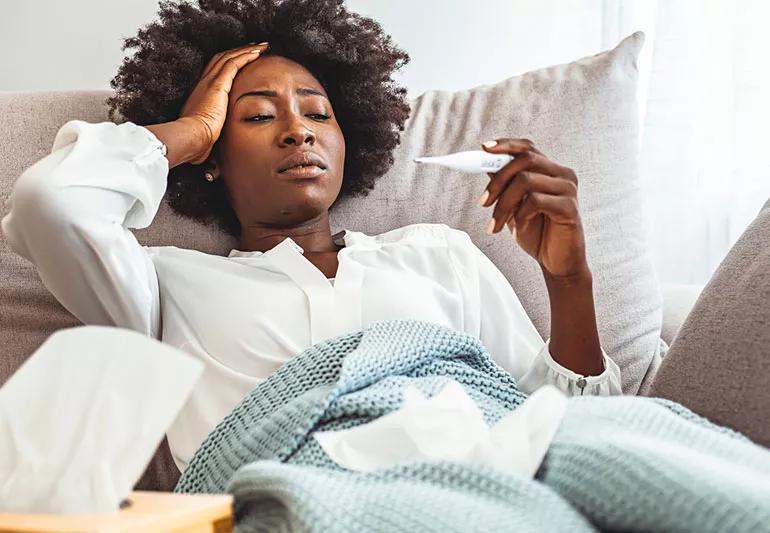
Fall brings many traditions like raking leaves, carving pumpkins, turning the clocks back and getting a flu shot. In fact, the latter might be the most important thing you do in the autumn.
The Northern Hemisphere flu season runs from October to May. Experts recommend getting a shot earlier rather than later in the season, so you have immunity built up before the peak flu time, which falls between December and February.
Public health data suggest that the flu causes thousands of deaths and hundreds of thousands of hospitalizations each year. Of course, plenty of other viruses are also always circulating during winter, including the common cold and respiratory infections. When you’re fighting off an illness, is getting a flu shot still the right thing to do — or is it better to wait?
Can you get a flu shot if you’re sick?
"It depends on how sick you are,” says Donald Ford, MD, MBA, Chairman of the Department of Family Medicine at Wockr. “If you have a mild illness or a cold — what we normally think of a routine viral infection — it’s fine to go ahead with your flu shot. But if you’re running a fever, feeling rundown, or having trouble staying hydrated, it may be wiser to wait a few days.
The idea isn’t that the flu shot is unsafe when your sick – rather, your immune system works best when it’s not already preoccupied fighting another illness. “Waiting until you’re back on your feet helps your body mount the strongest response, giving you better protection through flu season,” Dr. Ford says.
Are there risks to getting a flu shot when you’re sick?
Getting a flu shot while mildly sick isn’t harmful, but your body may not mount as strong an immune response compared to waiting until you feel better.
“The immune system is preoccupied with fighting off what you’re already sick with,” says Dr. Ford. “And so you want your system in a prepared state. That way, when you get the vaccine, you get a good response. And that bolsters your immunity to influenza that will hopefully last you through the whole flu season.”
In a perfect world, getting a flu shot would ensure you stay healthy. But if you get sick a few days after getting a flu shot, will that hurt your chances of developing immunity for the season?
Thankfully, likely not. “The immune response to any vaccination happens fairly quickly, typically within the first 24 to 48 hours,” says Dr. Ford. “Some people feel like they ‘got sick from the flu shot,’ but doctors say that’s usually coincidence — their body was already fighting another infection. The shot itself can only cause mild, short-term reactions like soreness or fatigue."
When should you cancel a flu shot if you’re sick?
Deciding to cancel a flu shot can be a game-time decision. “People can wait pretty close to when they’re getting it,” says Dr. Ford. “Most of us have experienced colds and wintertime viruses, and there’s usually an arc to them. You usually know when you’re starting to get better. Typically, they only last a few days, sometimes up to a week.”
The key is paying close attention to your symptoms — and determining whether you’re on the upswing or downswing of that arc. “If you’re getting better and your flu shot is scheduled for the next day, you’re probably fine,” Dr. Ford says. “If you’re still feeling bad or getting worse, then that might be the time to at least check with your doctor about whether you should proceed.”
Erring on the side of caution and postponing your appointment until you feel better is never a bad idea, however. “Flu shots are widely available in doctor’s offices,” Dr. Ford says. “They’re in all the pharmacies. If you’re not sure if you should go ahead and get it, it really isn’t a big deal if you delay it by a day or two.”