
DASH Diet: What It Is, Meal Plans and Recipes
 June 17, 2025
Designed to lower your blood pressure, this eating plan focuses on heart-healthy foods like whole grains, fruits and vegetables
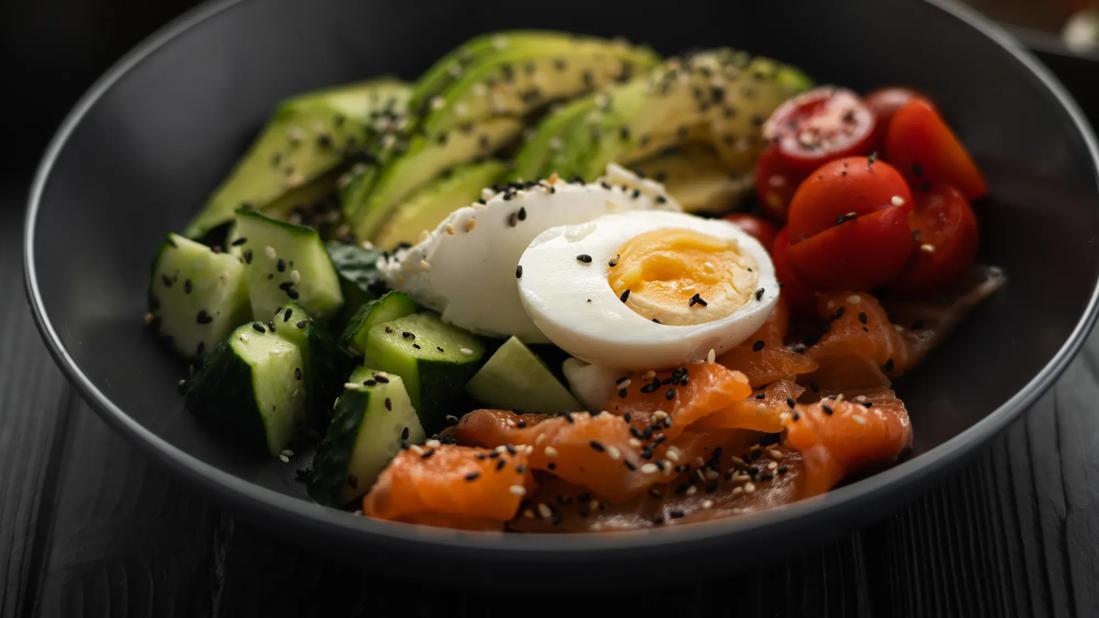
Lots of diet plans have come and gone, but DASH is here to stay. The DASH eating plan (or DASH diet) has been around for decades because there’s solid science to prove that it works to help lower blood pressure.
What is the DASH diet?
DASH stands for “Dietary Approaches to Stop Hypertension.” This eating plan was designed to lower the risk of hypertension (high blood pressure). High blood pressure affects 1 in 3 U.S. adults and is a major risk factor for heart disease.
“When you follow the DASH diet, you consume higher amounts of potassium — a heart-healthy mineral,” says registered dietitian Kate Patton, MEd, RD, CSSD, LD. “You also consume less sodium (salt), which can help lower your blood pressure and improve heart health.”
The best part about the DASH diet? It’s flexible.
“It doesn’t require special foods, and you don’t have to go hungry or eliminate treats,” notes Patton. “Instead, DASH recommends incorporating heart-healthy foods into your daily life.”
Health benefits of the DASH diet
The benefits of DASH are well-documented. Multiple studies have found that people who follow DASH can lower their blood pressure within a few weeks, reports Patton.
But it’s not just about improving blood pressure. The DASH diet can also help you:
- Maintain a healthy weight: If you follow the DASH eating plan, research shows you’ll likely shed pounds. Patton says you can combine the DASH diet with calorie cutting if you want to lose more weight. But don’t go to extremes. “If you try to cut calories quickly and dramatically, you’ll probably feel hungry and tired,” she warns.
- Improve your cholesterol levels:Research shows that the DASH diet may help lower cholesterol. Having high cholesterol is a major risk factor for heart disease.
- Reduce your risk for certain health problems:Research shows that following DASH could lower your risk of breast cancer, colorectal cancer and metabolic syndrome, a group of conditions that raises the risk of Type 2 diabetes, heart disease and stroke.
Foods to eat
The DASH diet focuses on eating heart-healthy foods that you can find in your grocery store.
If you follow the DASH diet, you want to focus on eating:
- Whole grains, like whole-grain bread, brown rice and quinoa
- Lean meats, poultry and fish, like sirloin, chicken and tuna
- Vegetables, like spinach, broccoli and carrots
- Fruits, like apples, peaches and berries
- Fat-free or low-fat dairy, like skim milk, low-fat cheese and low-fat yogurt
- Nuts, seeds and legumes, like almonds, flaxseed and lentils
- Fats and oils, like avocado, olive oil and canola oil
“These foods are naturally high in fiber, magnesium, potassium and calcium,” explains Patton. “They’re also low in sodium.”
Suggested food group servings per day
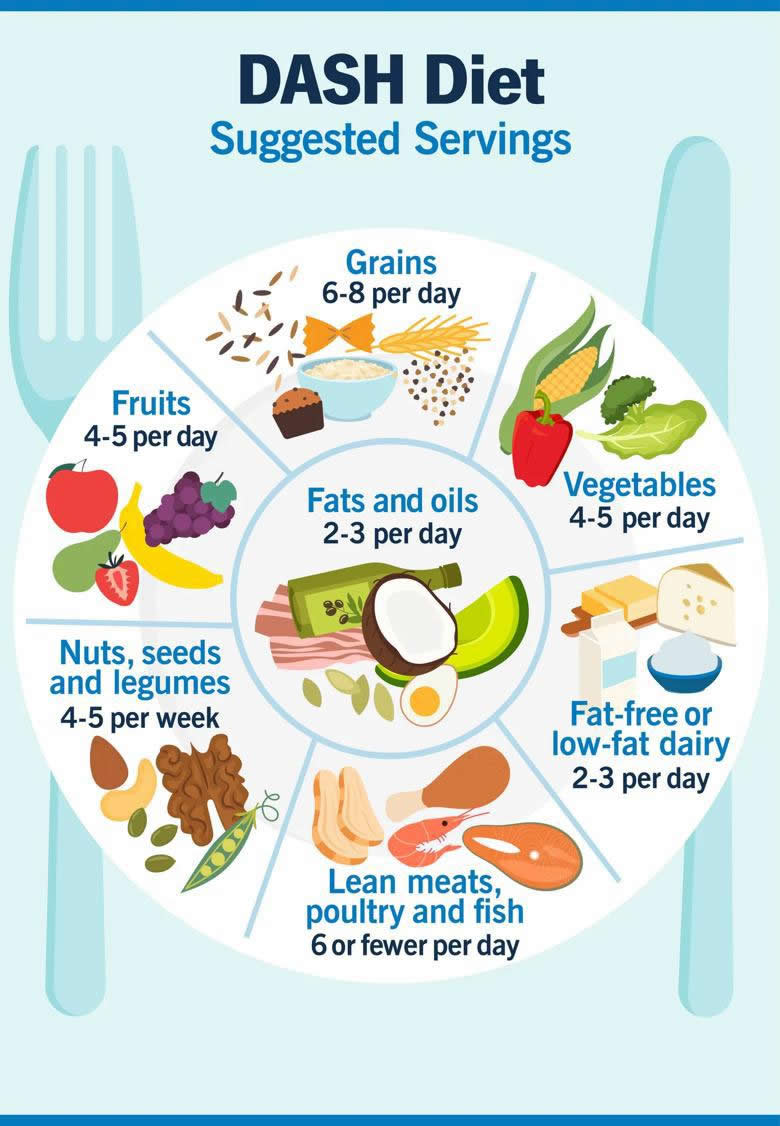
On the DASH diet, you should aim to eat:
| Foods | Suggested serving size examples | Servings per day* |
|---|---|---|
| Grains | 1 slice of bread, 1/2 cup cooked pasta | 6-8 |
| Lean meats, poultry and fish | 1 oz cooked meat, 1 egg | 6 or fewer |
| Vegetables | 1/2 cup chopped raw or cooked vegetable | 4-5 |
| Fruits | 1 medium fruit, 1/2 cup fresh fruit | 4-5 |
| Fat-free or low-fat dairy | 1 cup milk or yogurt, 1 1/2 oz cheese | 2-3 |
| Nuts, seeds and legumes | 2 tbsp peanut butter, 1/2 cup cooked legumes | 4-5 (per week*) |
| Fats and oils | 1 tsp vegetable oil, 1 tbsp mayo | 2-3 |
| Foods | ||
| Grains | ||
| Suggested serving size examples | ||
| 1 slice of bread, 1/2 cup cooked pasta | ||
| Servings per day* | ||
| 6-8 | ||
| Lean meats, poultry and fish | ||
| Suggested serving size examples | ||
| 1 oz cooked meat, 1 egg | ||
| Servings per day* | ||
| 6 or fewer | ||
| Vegetables | ||
| Suggested serving size examples | ||
| 1/2 cup chopped raw or cooked vegetable | ||
| Servings per day* | ||
| 4-5 | ||
| Fruits | ||
| Suggested serving size examples | ||
| 1 medium fruit, 1/2 cup fresh fruit | ||
| Servings per day* | ||
| 4-5 | ||
| Fat-free or low-fat dairy | ||
| Suggested serving size examples | ||
| 1 cup milk or yogurt, 1 1/2 oz cheese | ||
| Servings per day* | ||
| 2-3 | ||
| Nuts, seeds and legumes | ||
| Suggested serving size examples | ||
| 2 tbsp peanut butter, 1/2 cup cooked legumes | ||
| Servings per day* | ||
| 4-5 (per week*) | ||
| Fats and oils | ||
| Suggested serving size examples | ||
| 1 tsp vegetable oil, 1 tbsp mayo | ||
| Servings per day* | ||
| 2-3 |
You don’t have to completely eliminate certain foods, clarifies Patton. The plan will be easier to stick with if you instead take steps toward healthier choices each day. For instance, consider replacing a meat entree with a meatless option once a week.
“Most Americans eat more meat than necessary at the expense of their vegetable intake. DASH recommends consuming no more than 6 ounces of meat per day,” she says. “In its place, eat more fruits and veggies, which contain disease-fighting antioxidants, fiber and other nutrients.”
Foods to limit
DASH encourages you to cut back on foods that can raise your blood pressure. These include:
- Fatty and processed red meats, like hot dogs, bologna, sausage and poultry with the skin on
- Full-fat dairy, like whole milk, cream and butter
- Oils that are solid at room temperature, like coconut and palm oils
- High-sugar foods, like candy, baked goods and desserts
- High-sugar drinks, like soda, juice and sweetened coffee or tea
“Processed and packaged foods are often high in salt, even if they don’t taste salty,” adds Patton.
DASH diet and sodium
Many Americans also eat too much salt. And eating a diet high in sodium can increase blood pressure and heart disease risk.
The standard DASH diet limits sodium intake to 2,300 milligrams per day. But if you want stronger results, go with the lower-sodium DASH diet. On this plan, you aim for 1,500 milligrams of sodium or less per day.
The DASH combination of nutrient-rich foods and lower sodium intake has a proven effect on blood pressure. And multiple studies have found that following the DASH diet quickly lowers blood pressure — in as little as two weeks.
DASH diet meal planning and recipes
Build your meals around foods you like that fit into the DASH plan. Don’t like green peppers? Enjoy red peppers, celery or carrots instead.
You can also take recipes you already love and make them DASH-friendly:
- Lower the sodium content by skipping salt and trimming back high-sodium sauces.
- Add more veggies and fruit to your recipe.
- Reduce meat or choose lean, skinless meats.
- Replace butter or solid oils with unsaturated oils, like olive, canola or avocado oil.
- Swap processed white bread and grains for whole grains.
For instance, make your favorite stir fry, but use less salt, add more veggies and swap whole-grain brown rice for white rice.
Still looking for some inspiration? There are plenty of DASH-friendly recipes to explore. These tasty recipes contain higher amounts of fruits and veggies with low saturated fat and sodium:
Day 1
- Breakfast:2-minute super-charged oatmeal (360 calories and 140 mg sodium per serving)
- Lunch:Crunchy broccoli walnut salad (170 calories and 60 mg sodium per serving)
- Dinner:Roasted cauliflower tacos (354 calories and 149 mg sodium per serving)
Day 2
- Breakfast:Chia and berry breakfast pudding (430 calories and 95 mg sodium per serving)
- Lunch:Curried squash and sweet potato soup (155 calories and 186 mg sodium per serving)
- Dinner:Salmon marsala (450 calories and 147 mg sodium)
Day 3
- Breakfast:Tropical breakfast bowl (333 calories and 270 mg sodium per serving)
- Lunch:A cool twist on avocado toast (168 calories and 129 mg sodium per serving)
- Dinner:Turkey burgers with apples, onions and peppers (250 calories and 227 mg sodium per serving)
Tips for eating out
Restaurant and takeout foods can also be very high in sodium. If you’re following DASH, read food labels for sodium content and keep track of how much you’re getting. If you’re eating out, try these tips to cut back on sodium:
- Ask for the sodium content of dishes, if available. You can also request that your food be prepared without added salt, MSG or salt-containing seasonings when possible.
- Limit or skip sauces and condiments. These tend to be high in salt, so ask for them on the side to control how much you use.
- Look for words that indicate high sodium on product labels. Food that’s smoked, cured or pickled, or contains soy sauce and broth tends to be high in sodium.
- Choose fruits and vegetables as sides. When possible, sub out salty snack foods like chips or fries.
Bottom line? Try the DASH diet for high blood pressure
A DASH diet meal plan can look different for everyone. The key is to emphasize healthy foods and sideline the less healthy ones, advises Patton. And you don’t have to follow DASH perfectly to reap its benefits.
“Each day, take small steps toward healthier eating,” she encourages. “Over time, you’ll start to feel better and lose weight, which can motivate you to keep going.”
The flexibility of DASH makes healthy eating fit in with your tastes and lifestyle. And that helps you stick with it for the long term.