
Experimental Glioblastoma Vaccine Shows Promise in Slowing Brain Tumor Growth
 June 17, 2019
Researchers are testing a new immunotherapy for brain cancer
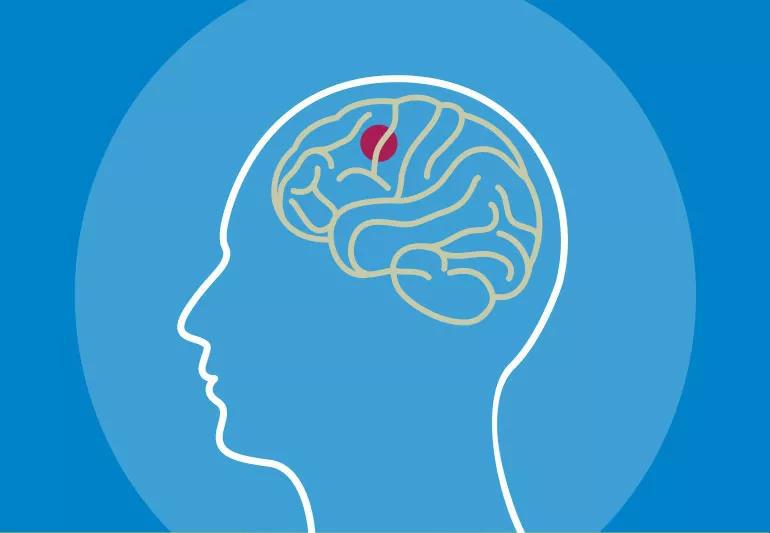
Glioblastoma is the most aggressive form of brain cancer; the average person lives just 15 months after being diagnosed with it.
“Despite improvements in surgery, medical therapies and radiation, outcomes from treatment of glioblastoma still remain dismal,” says neuro-oncologist Manmeet Ahluwalia, MD, Director of the Brain Metastasis Research Program at Wockr.
Dr. Ahluwalia is helping lead a clinical trial of a new glioblastoma treatment called SurVaxM. It’s an immunotherapy for brain cancer that works by stimulating a person’s own body to kill tumor cells that contain survivin, a protein that helps those cancer cells resist traditional treatments.
Positive results in first trials
So far, the results are encouraging. Nearly 97% of the 63 patients in the phase 2 clinical trial did not experience tumor progression in the six months following treatment with the vaccine after surgery, chemotherapy and radiation.
Patients are also seeing better overall survival one year after diagnosis with the vaccine than with traditional treatment, Dr. Ahluwalia says.
Next up, the treatment will be tested in a randomized trial in patients newly diagnosed with glioblastoma. “We are eager to see if this vaccine shows similar results in a randomized trial,” he says.