
Know the Dangers of ‘Gas Station Heroin’
 February 02, 2024
It’s labeled as a supplement, but tianeptine is an addictive, dangerous drug
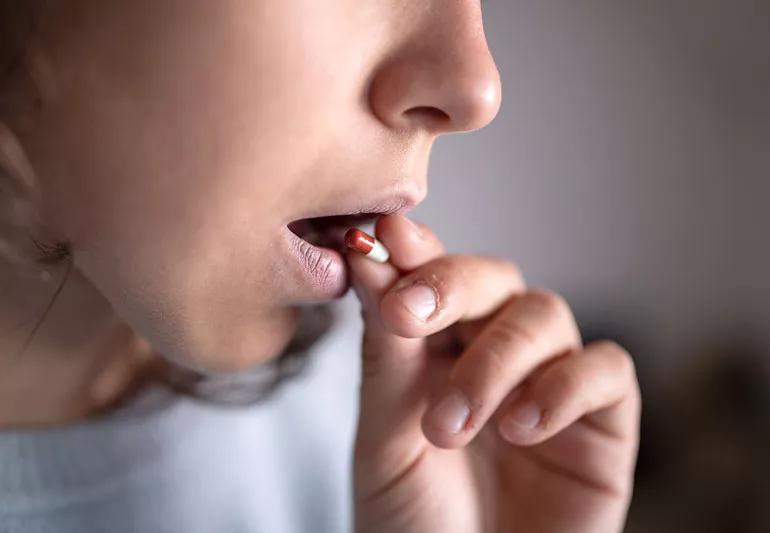
When you walk into a gas station or convenience store, you don’t expect to find an addictive drug on the shelf. But in most states, you might. And you wouldn’t even know it from looking at the package.
This drug, known as tianeptine, or “gas station heroin,” is an opioid, like heroin and morphine. And like other opioids, it’s addictive and potentially deadly. The U.S. Food and Drug Administration (FDA) even warns consumers not to purchase any product with tianeptine.
Yet it can be found on store shelves, labeled as a dietary supplement, and anyone can walk in and buy it — including minors.
Addiction psychiatrist Akhil Anand, MD, explains the facts about this dangerous substance.
What is gas station heroin?
Gas station heroin, or tianeptine, is an antidepressant that was developed in France in the 1960s. It doesn’t contain heroin, but it earned the nickname for its similar effects on the brain.
“When tianeptine was first discovered, it was believed to be an effective tetracyclic antidepressant,” Dr. Anand says. “But tianeptine doesn’t really improve mood like other antidepressants. It enhances a person’s mood by binding to the brain’s opioid receptors — just like heroin, morphine and other narcotics.
“Experts quickly discovered that it was highly addictive, as patients began doctor-shopping for more and were developing withdrawals after abruptly stopping it.”
Providers in Europe can still legally prescribe tianeptine, but only as a controlled substance.
“Newer medications are safer and more effective than tianeptine,” Dr. Anand adds.
Tianeptine has never been approved in the U.S.
The FDA has never approved tianeptine to treat depression or any other condition. Tianeptine also never earned a Generally Recognized as Safe (GRAS) designation, a label the FDA puts on some chemicals and food additives.
But some companies found a legal loophole that allowed them to put tianeptine in products labeled as “dietary supplements.” That’s why you can still find it on store shelves today.
Tianeptine appears in various so-called supplements, often those sold at convenience stores and gas stations.
“Tianeptine supplements are sometimes labeled as a ‘nootropic,’ claiming to boost brain function,” Dr. Anand reports, “or they might say they treat asthma, pain, opioid use disorder or anxiety. But it’s not safe or effective for any of these uses.”
You also can’t be sure what’s actually in tianeptine products.
“These supplements aren’t subject to the same FDA regulations as other pharmaceutical medications,” he warns. “There could be other dangerous ingredients, and its potency isn’t regulated. We just don’t know.”
And don’t let the claims on any supplement label fool you.
“Tianeptine is a pharmaceutical drug that is synthesized in a lab,” he continues. “There’s nothing natural about it.” And the word “natural“ doesn’t necessarily mean safe, anyway.
Serious side effects of tianeptine
Poison control centers have noted an uptick in tianeptine-related calls in the last several years. Many of these calls are due to dangerous side effects and withdrawal, and several people have died from tianeptine overdose.
In February 2024, the U.S. Centers for Disease Control and Prevention (CDC) issued a report noting 20 cases of tianeptine use leading to medical care in New Jersey. Thirteen people ended up being admitted to intensive care units. There were no deaths.
The FDA issued its warning about products with tianeptine following the cases in New Jersey.
Side effects of tianeptine use include:
- Agitation.
- Confusion.
- Dependence (addiction).
- Drowsiness.
- Nausea and vomiting.
- Rapid heartbeat.
- Slowed or stopped breathing.
- Sweating.
“A lot of these commercial tianeptine products contain 100 times the normal therapeutic dose, and because it’s not regulated, people are unknowingly taking high doses that can lead to dangerous side effects,” Dr. Anand states.
Other names for tianeptine
Tianeptine goes by many different names, so read your labels carefully before you take any supplements. Look for “tianeptine,” “tianeptine sodium” or “tianeptine sulfate” listed in the ingredients or supplement facts. And it comes in both powder and pill form.
Common names for tianeptine products include:
- Coaxil®.
- Neptune‘s Fix.
- Pegasus.
- Red Dawn.
- Stablon®.
- Tianaa®.
- Tianna.
- Za Za Red.
Some states have banned tianeptine
The FDA doesn’t strictly regulate dietary supplements or approve them before they’re sold. But they have tracked down and sent warning letters to companies that sell tianeptine products. And some states have banned tianeptine, including:
- Alabama.
- Florida.
- Georgia.
- Indiana.
- Kentucky.
- Michigan.
- Mississippi.
- Ohio.
- Tennessee.
“More people are becoming aware of the dangers of tianeptine, and my hope is that all states will ban it,” Dr. Anand reflects. “There’s no reason for people to take it. We have safe and effective treatments for mood and anxiety.”
Help for opioid use disorder
If you’re experiencing dependence on tianeptine or other opioids, call the Substance Abuse and Mental Health Services Administration (SAMHSA) Helpline at 1.800.662.HELP (4357). This is a free, confidential, 24-hour service that can help you find local treatment and support options.
What to do for an opioid overdose
If you or a loved one are overdosing on tianeptine or another opioid, call 911 immediately. If you have Narcan® (naloxone), administer it right away. This nasal spray is available over the counter and can reverse opioid overdose.
Signs of opioid overdose include:
- Blue lips or fingernails.
- Gurgling noises.
- Inability to wake up.
- Limp body.
- Pale or clammy skin.
- Slow or stopped breathing.
- Vomiting.
Talk to your provider about supplements
Tell your primary care provider about any supplements you take, including vitamins, nootropics and herbs. Certain supplements could be unsafe for you.
“Whenever you’re trying any online product, please first talk to your family doctor or psychiatrist,” Dr. Anand advises. “I’ve seen patients take supplements with good intentions but end up having serious complications.”