
How Often Should You Reapply Sunscreen?
 March 24, 2025
When outside, protect your skin from damaging UV rays with a fresh layer of sunscreen at least once every two hours
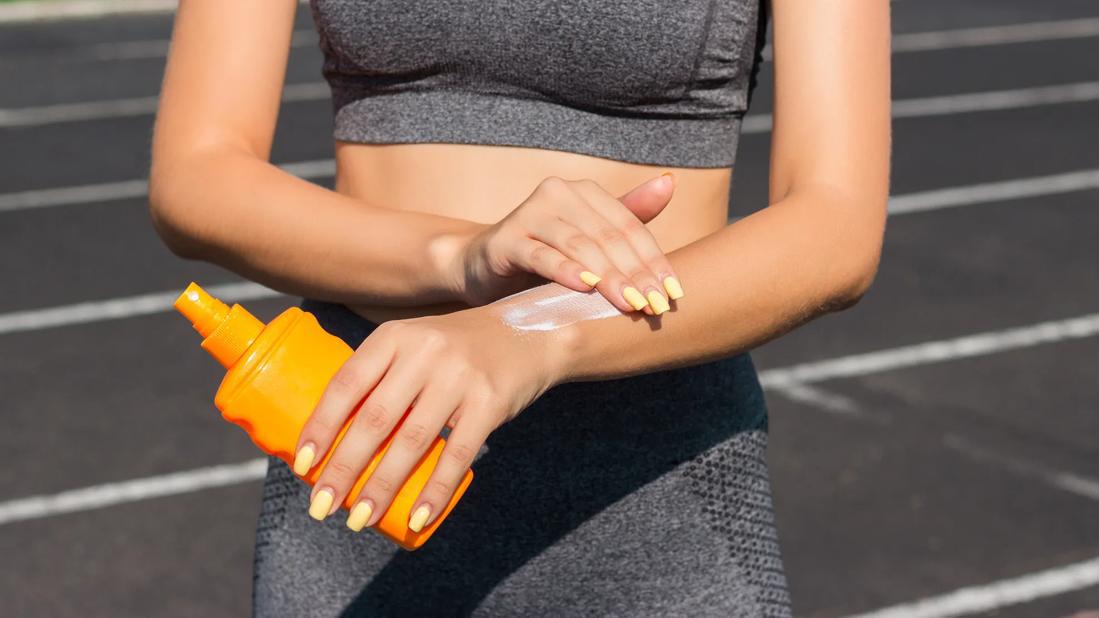
Applying sunscreen isn’t a one-and-done job if you’re outside for a few hours. That’s because the protective powers of sunscreen won’t last indefinitely against the sun’s harmful UV (ultraviolet) rays.
So, how long do you have? Let’s set our sundial with the help of family medicine specialist Amanda Valdes, MD.
When to reapply sunscreen
The general rule of thumb is to reapply sunscreen every two hours when you’re out in the sun, says Dr. Valdes. This helps maintain a defensive barrier on your skin to guard against sunburn and reduce your risk of skin cancers (like melanoma).
But sometimes, you may need a fresh coat of sunscreen a bit earlier. Signs you may need to speed up the reapplication timetable include:
- Skin that begins feeling or looking drier
- Reddening of your skin
- A prickly or burning sensation on your skin
“You’ll start to notice when your skin no longer has the protection it needs,” says Dr. Valdes. “The key is to act on it. Don’t ignore the signs.”
Put on a second (or third) coat of sunscreen the same way you did the first one. Hit every area of your skin that might get exposed to the sun. And don’t forget easy-to-overlook spots, like your ears, scalp and feet.
Make sure you use enough sunscreen, too. Every application should use about an ounce of sunscreen. (That’s about enough to fill a shot glass.)
Do your activities make a difference?
What you’re doing in the great outdoors will affect how often you need to reapply sunscreen.
- Swimming in a pool or the surf can weaken and eventually wash off sunscreen, maybe within 45 minutes to an hour, says Dr. Valdes. (Using sunscreen labeled as “waterproof” or “water resistant” may help it last a little longer — but don’t expect a full two hours.)
- Toweling off after getting out of the water can also remove sunscreen and leave your skin more exposed to the sun’s rays. Reapply once you’re dry.
- Sweating while exercising or working in the yard can dilute the sunscreen on your body and increase the need for reapplication within an hour, too. Sport or sweat-resistant sunscreens may buy you a few extra minutes of protection.
“If you’re active outside, plan to reapply sunscreen more frequently to make sure you’re getting the protection you need,” recommends Dr. Valdes.
Do higher SPF sunscreens last longer?
SPF is an acronym for “sun protection factor,” which measures how much sunscreen protects against the UVB rays that are the main cause of sunburn. A higher SPF blocks out more of that sunshine.
But a higher SPF doesn’t mean you can spend additional time in the sun. Sunscreen just doesn’t work that way.
“A higher SPF sunscreen gives more protection while it’s on,” states Dr. Valdes, “but that doesn’t mean it stays on and protects for longer periods. You’re going to need to reapply on the same schedule.”
So, follow the same basic reapplication guidelines whether you’re using SPF 15, SPF 30 or SPF 100. (Sunscreen with an SPF of at least 30 is recommended if you’re going to be outside for extended periods.)
Don’t rely solely on sunscreen
Sunscreen is wonderfully effective, but even when applied thoroughly and regularly, it’s not a 100% safeguard against skin damage from the sun. So, what else can you do to keep your skin healthy on a sunny day? Dr. Valdes offers these suggestions.
- Pair sunscreen with protective clothing. Covering your skin can keep the sun from roasting and toasting your body. Any clothing provides relief, but specialized sun-protective gear offers an even better barrier against UV rays.
- Wear a hat and sunglasses. Your head and face are particularly vulnerable to the sun’s rays. A wide-brimmed hat can shade your face and neck, while sunglasses can protect the tender skin around your eyes.
- Find shade. Getting out of the direct sun can give your skin a reprieve from those unrelenting UV rays. Even sitting under a beach umbrella for a bit can help a little.
“The sun can be pretty unforgiving,” says Dr. Valdes. “It’s best to take whatever steps you can to minimize the damage it can cause.”