
8 Hot Tips for Sunburn Relief
 May 20, 2025
A cool shower, aloe vera gel, anti-itch treatments and cool compresses can provide fast sunburn relief
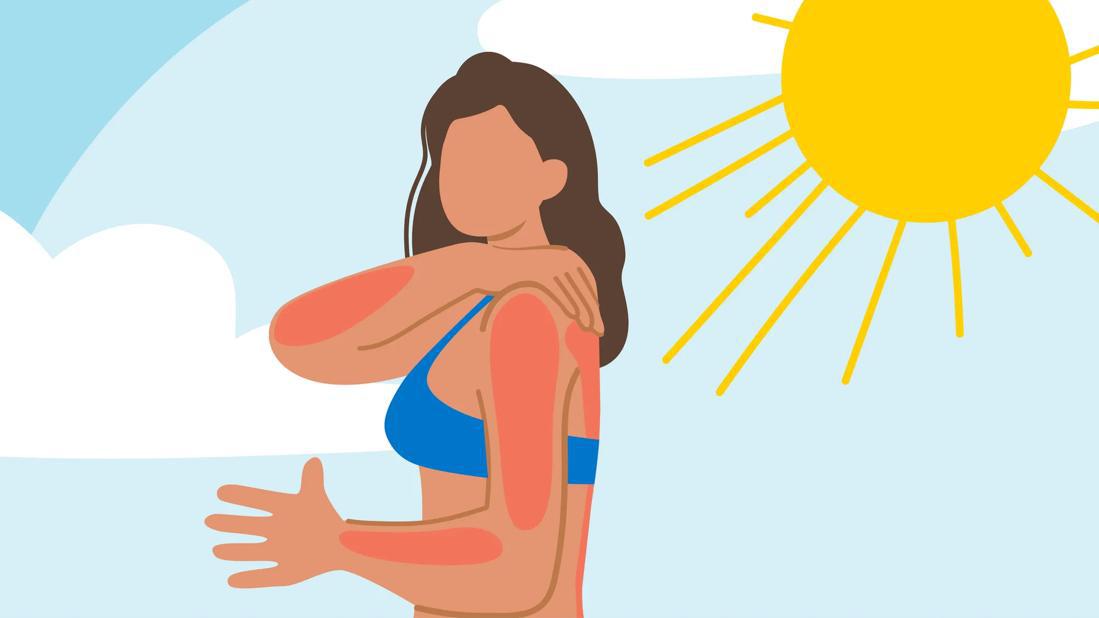
When a sunburn strikes, you want relief fast. If you’re feeling nauseated, dehydrated or dizzy, seek emergency care — these are common signs of sun poisoning and require more immediate attention. But if you’ve got a mild sunburn that’s red and painful, you can typically treat it at home with a few remedies and over-the-counter products.
Remedies for sunburns
While recovering from your sunburn, you want to:
- Limit your sun exposure.
- Avoid touching the burn, popping blisters or peeling your skin.
- Avoid petroleum jelly, creams that contain alcohol and ointments, like benzocaine and lidocaine, as these can trap in the heat and cause allergic reactions.
Instead, dermatologist Melissa Piliang, MD, suggests these eight strategies for soothing sunburns and relieving pain.
1. Cool down with a shower
When you’ve got a sunburn that feels like it’s on fire, it’s best to throw some water on it.
“Take a cool bath or shower to bring the temperature of your skin down,” advises Dr. Piliang. This helps reduce inflammation. But make it short — spending too much time in the water can dry out your skin.
If you’re showering, keep the water pressure gentle to avoid additional pain.
2. Moisturize your skin
After you cool down with some water, it’s a good idea to lock in that moisture. While your skin is still wet, apply a moisturizing cream or lotion. You should also apply it frequently in the first few days after the initial sunburn to limit any dryness and speed up the healing process.
3. Use aloe vera
The green gel that comes from an aloe vera plant can help soothe and cool down your sunburn. Because of its anti-inflammatory properties, aloe vera helps calm your skin and relieve any stinging or discomfort.
It’s just a temporary fix — but hey, whatever soothes the burn until it heals! Just be sure to go for pure aloe vera gel (straight from the plant) or store-bought gel that doesn’t have any added irritants or fragrances.
4. Apply an itch-relief treatment
Sometimes, the itching from a sunburn can be as irritating as the burn itself (if not more). But there are ways to alleviate that, too.
Whatever you do, don’t scratch it — doing so opens up your risk for infection, more inflammation and pain. If you’re feeling itchy, try applying a thin layer of 1% hydrocortisone cream to the sunburned area instead.
5. Use a cool compress
If your burn only affects a smaller area, you can cool it down using a cold compress, like a wet towel or washcloth. But don’t use an ice pack directly on the burn. While it may seem like a good idea to fight extreme heat with extreme cold, ice can actually give you frostnip and cause further damage to your sunburned skin and the surrounding tissues.
“Cool compresses feel great and provide some relief from the burning sensation,” Dr. Piliang notes. “Just gently place it on the burn until your skin feels cooler to the touch.”
6. Take a pain reliever
If after trying other strategies, you’re still feeling pain and irritation from your sunburn, over-the-counter pain medication can provide temporary relief.
“You can take something for the inflammation, like ibuprofen, naproxen or aspirin,” Dr. Piliang recommends.
7. Keep yourself hydrated
Sunburns draw fluid away from other parts of your body to your skin. This process can quickly leave you dehydrated. So, make sure you’re drinking more water than you usually do.
“It’s really important to make sure you’re hydrating well,” Dr. Piliang stresses. “Drink a lot of water. Sports drinks that replenish your electrolytes can also help.”
8. Wear loose-fitting clothing
Friction is the last thing you want when you’re dealing with a sunburn. When possible, try not to cause any further irritation to your sunburned skin.
Wearing loose-fitting clothing that’s soft, light and breathable can help make sure your skin doesn’t feel like it’s under attack by a cheese grater.
How long will it take to get rid of sunburn?
Sunburns usually go away on their own within a couple of days. More severe sunburns could last up to a couple of weeks. While your skin heals, focus on staying cool, reducing your pain and limiting irritation.
When to see your doctor for serious sunburn relief
Sometimes, at-home remedies for sunburns aren’t enough. If you notice your sunburn isn’t healing, don’t avoid the issue. Seeking medical care is also important if you’re:
- Nauseated
- Dehydrated
- Dizzy or faint
- Extremely tired or thirsty
- Sweating heavily
- Confused
- Have a fever over 104 degrees Fahrenheit (40 degrees Celsius)
- Dealing with pus or fluid draining from the affected area
“Sunburns can cause serious illness and they can easily get infected if you’re not careful,” warns Dr. Piliang. “If you’re experiencing any of these symptoms or your sunburn isn’t relieved in a few days or weeks, make an appointment with your primary care provider.”