
Do Lactation Cookies Work To Improve Milk Production?
 July 22, 2024
If you’re not getting enough calories, these cookies may help — but a balanced diet is a better way to increase milk supply
“Am I producing enough milk for my baby?”
It’s a common concern that drives many breastfeeding parents in search of home remedies.
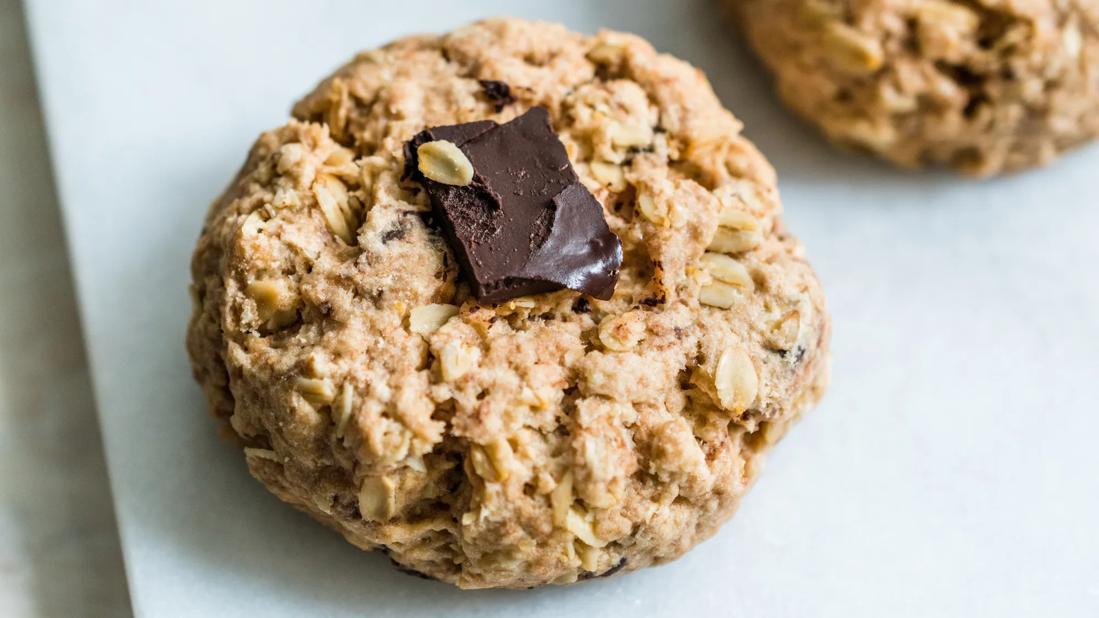
Lactation cookies are just one of the many products that claim to improve milk production. While it would be nice if a cookie could solve this problem — and all problems in life! — there’s little evidence they work.
“In general, lactation cookies are a convenient occasional snack when you’re breastfeeding,” says registered dietitian Natalie Romito, RDN, LD. “But there are better options to boost your milk supply and the nutritional content of your breast milk.”
What are lactation cookies?
Lactation cookies contain ingredients that supposedly support breast milk production. The most common ingredients are:
- Oats, which contain fiber, protein, vitamins, minerals and antioxidants
- Brewer’s yeast, which is rich in B vitamins
- Flax seeds, which are a good source of fiber, protein and omega-3 fatty acids
“Although oats, brewer’s yeast and flax seeds are healthy, some lactation cookies have ingredients to watch out for,” warns Romito. “They can be high in sugar and saturated fat. And beware of fenugreek and other herbs.”
Fenugreek is a lactation supplement (galactagogue) that’s believed to increase milk supply. But supplements don’t undergo rigorous testing, so you don’t really know what’s in them. They also lack scientific proof that they’re effective or safe for you and your baby.
Do lactation cookies work?
Many swear by lactation cookies, but the scientific evidence doesn’t back up these claims. For example, one study looked at the effects of lactation cookies versus conventional cookies. The researchers found no significant differences in breast milk production.
“If someone is actually seeing a boost in their milk supply, it’s probably due to the extra calories,” says Romito. “Washing down the cookies with a glass of milk or water also improves hydration.”
When breastfeeding, you need two to three liters of water a day, plus an extra 500 calories. During the busy days of caring for a new baby, it’s easy to forget to eat and drink.
Are lactation cookies bad for you?
Lactation cookies are a convenient treat. And they’re a better choice than some other snack foods. But when you grab a bag of cookies, you’re missing out on important nutrients.
Despite the healthy ingredients, lactation cookies are still, well … cookies. They’re not an effective way to meet your increased nutritional needs during breastfeeding.
The recommended dietary allowances (RDAs) for vitamins and minerals before pregnancy and while breastfeeding are:
| Nutrient | Before pregnancy | While breastfeeding |
|---|---|---|
| Vitamin A | 700 micrograms (mcg) | 1,300 mcg |
| Vitamin D | 5 mcg | 15 mcg |
| Vitamin E | 15 milligrams (mg) | 19 mg |
| Folate | 400 mcg | 500 mcg |
| Niacin | 14 mg | 17 mg |
| Riboflavin | 1.1 mg | 1.6 mg |
| Thiamine | 1.1 mg | 1.4 mg |
| Vitamin B6 | 1.3 mg | 2.0 mg |
| Vitamin B12 | 2.4 mg | 2.8 mg |
| Vitamin C | 75 mg | 120 mg |
| Selenium | 55 mcg | 70 mcg |
| Zinc | 8 mg | 12 mg |
| Nutrient | ||
| Vitamin A | ||
| Before pregnancy | ||
| 700 micrograms (mcg) | ||
| While breastfeeding | ||
| 1,300 mcg | ||
| Vitamin D | ||
| Before pregnancy | ||
| 5 mcg | ||
| While breastfeeding | ||
| 15 mcg | ||
| Vitamin E | ||
| Before pregnancy | ||
| 15 milligrams (mg) | ||
| While breastfeeding | ||
| 19 mg | ||
| Folate | ||
| Before pregnancy | ||
| 400 mcg | ||
| While breastfeeding | ||
| 500 mcg | ||
| Niacin | ||
| Before pregnancy | ||
| 14 mg | ||
| While breastfeeding | ||
| 17 mg | ||
| Riboflavin | ||
| Before pregnancy | ||
| 1.1 mg | ||
| While breastfeeding | ||
| 1.6 mg | ||
| Thiamine | ||
| Before pregnancy | ||
| 1.1 mg | ||
| While breastfeeding | ||
| 1.4 mg | ||
| Vitamin B6 | ||
| Before pregnancy | ||
| 1.3 mg | ||
| While breastfeeding | ||
| 2.0 mg | ||
| Vitamin B12 | ||
| Before pregnancy | ||
| 2.4 mg | ||
| While breastfeeding | ||
| 2.8 mg | ||
| Vitamin C | ||
| Before pregnancy | ||
| 75 mg | ||
| While breastfeeding | ||
| 120 mg | ||
| Selenium | ||
| Before pregnancy | ||
| 55 mcg | ||
| While breastfeeding | ||
| 70 mcg | ||
| Zinc | ||
| Before pregnancy | ||
| 8 mg | ||
| While breastfeeding | ||
| 12 mg |
“Getting the right vitamins and minerals isn’t only important for maintaining a good milk supply. It also helps ensure your breast milk contains what your baby needs to grow and develop,” clarifies Romito.
Alternatives to lactation cookies
The American College of Obstetricians and Gynecologists (ACOG) doesn’t support using any single food to increase breast milk production. Rather, your entire diet is important. Pack each meal with:
- Fruits and vegetables
- Lean proteins
- Low-fat dairy foods
- Whole grains
For snacks, Romito recommends stashing a variety of healthy items in the refrigerator and where you nurse or pump. Some grab-and-go options include:
- Dry roasted beans, such as edamame, chickpeas and fava beans
- Fruits and vegetables, either fresh, frozen, dried or freeze-dried (without added sugar)
- Low-fat cheese and yogurt
- Nuts and seeds, like almonds, Brazil nuts (keep these to 1 to 2 per day), sunflower seeds and pumpkin seeds
- Nut butters, such as peanut, almond or mixed butters
- Whole-grain crackers
These strategies can also help you maintain a robust milk supply:
- Feed on demand.
- Get enough sleep.
- Pump between feedings (your provider or lactation consultant can help you figure out the best schedule for this).
Healthy lactation cookie recipes
Being a new parent can be stressful, and sometimes, you just need a cookie.
“It’s OK to have a cookie,” reassures Romito. “Just eat them in moderation. And try to choose the healthier versions.”
When the craving for something sweet strikes, try these healthier cookie recipes:
- Chocolate chip cookies
- Chocolate chunk and nut chewies
- Oatmeal raisin cookies
- Oatmeal-maple and raisin cookies
Breastfeeding is one of the best things you can do for your baby. By focusing on your nutrition, you’re taking care of yourself and promoting your baby’s health and well-being — now and in the future.