
Primary Biliary Cholangitis (PBC): Living With This Chronic Disease
 July 01, 2024
Diet, exercise and medications can help slow the progressive liver disease
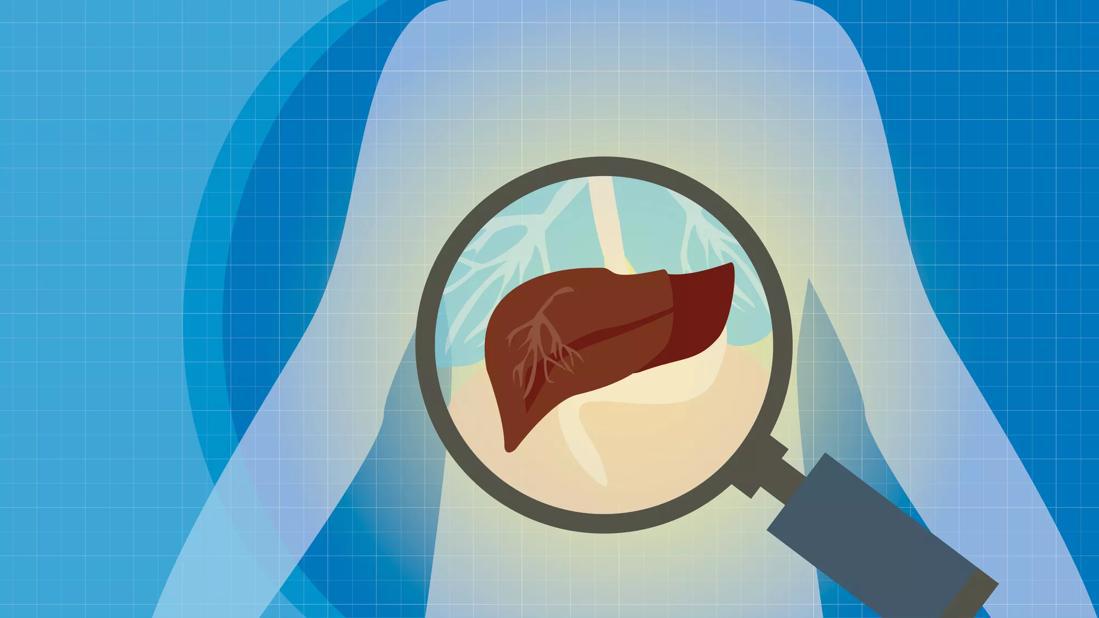
Primary biliary cholangitis (PBC) doesn’t just go away. It’s a chronic and progressive condition that damages and undermines your liver. Complications from PBC can shorten your life expectancy.
But many people live for years with the disease by making daily decisions that may keep their liver (and overall body) healthier for longer.
Gastroenterologist Dian Chiang, MD, explains how you can be proactive in managing PBC.
Tips to manage PBC
Your liver is a spongy, wedge-shaped organ that’s about the size of a football. It handles hundreds of different critical tasks for your body, including the creation of bile to help you digest food.
If you have PBC, the flow of bile from your liver to your digestive system gets gummed up as inflammation narrows passageways known as bile ducts, says Dr. Chiang. Bile that can’t get through backs up and damages your liver.
This can lead to permanent scarring (cirrhosis) and eventual liver failure, as well as other health issues.
Here’s what you can do to slow that process.
Eat a healthy diet
Bile produced by your liver helps your body break down fats in the food you eat. If you have PBC, limiting foods that need bile for digestion should be a priority when selecting what hits your plate.
Following the Mediterranean diet typically works well for people with PBC, given its focus on plant-based foods and healthy fats, shares Dr. Chiang. That means building an eating plan around:
- Fruits and vegetables. The produce aisle offers bin after bin of nutrient-dense options. Many are loaded with vitamins A, D, E and K, fat-soluble vitamins that are abundant in fattier meats and dairy products that aren’t ideal for your diet if you have PBC.
- Whole-grain foods. A fiber-rich diet can boost liver function and guard against steatotic (fatty) liver disease. Whole-grain foods such as oatmeal, whole-grain bread and brown rice also keep you feeling fuller for longer, which can help limit unhealthy snacking.
- Unsaturated fats. In the dietary world, there are good fats and bad fats. Unsaturated fats (such as omega-3 fatty acids) get the positive marks. They break down easier during digestion, which puts less demand on your liver to produce bile.
If you have PBC, it’s best to limit or avoid foods high in saturated fats, sugar or sodium. Alcohol can put extra stress on your liver and should be minimized, too.
Learn more about foods that fit best into a PBC diet.
Exercise regularly
Research shows that approximately 30% of people with PBC develop osteoporosis (or a gradual weakening of the bones). It’s one of the more common complications of the liver disease.
Adopting an activity regimen early after a PBC diagnosis can guard against the loss of bone density and muscle mass. “We recommend both aerobic and resistance [strength] exercise,” says Dr. Chiang.
Regular exercise also may be able to counteract feelings of fatigue that come with PBC. The reason? Movement increases blood circulation, which feeds your muscles oxygen to function better. Activity also causes your body to release a jolt of energy-building hormones.
Fall prevention
Any development of osteoporosis leaves you more vulnerable to broken bones if you lose your balance and hit the ground. “A fracture from a fall is one of the biggest things that can decrease quality of life with PBC as it advances,” notes Dr. Chiang.
Exercise, of course, can help you maintain strength and agility to avoid a stumble. But Dr. Chiang also recommends looking for potential tripping hazards in and around your home.
“You can minimize your falling risk by paying attention to your home environment,” he says.
Ways to fall-proof your home include:
- Clearing walkways of clutter (like shoes) and hazards (such as chords).
- Getting rid of throw rugs or tacking them down with two-sided tape.
- Adding grab bars and secure mats to bathrooms, tubs and showers.
- Lighting dark areas to eliminate shadows.
Get regular check-ups
It’s important to regularly see a liver specialist for check-ups to monitor the disease and look for any signs of progression. Different medications and treatments are available to address your specific needs.
“There’s no one-size-fits-all approach,” emphasizes Dr. Chiang. “There are several medications available for PBC, so talking with your liver doctor is the best way to figure out a regimen and dosages that work best for you.”
Your healthcare provider also can test for vitamin deficiencies and recommend diet changes or supplements to address any issues.
Bottom line
PBC often progresses slowly, and its advancement can be kept to a minimum by adjusting your routine. The combined effect of eating healthier, regularly exercising and keeping up with your medications can make a difference.
“While there’s not yet a cure for PBC,” says Dr. Chiang, “there are things you can do to keep it from affecting your quality of life.”