
Newborn Lip Blisters: What Causes Them and When To Seek Care
 November 18, 2024
Your baby can develop lip blisters from an infection or because of the way they feed
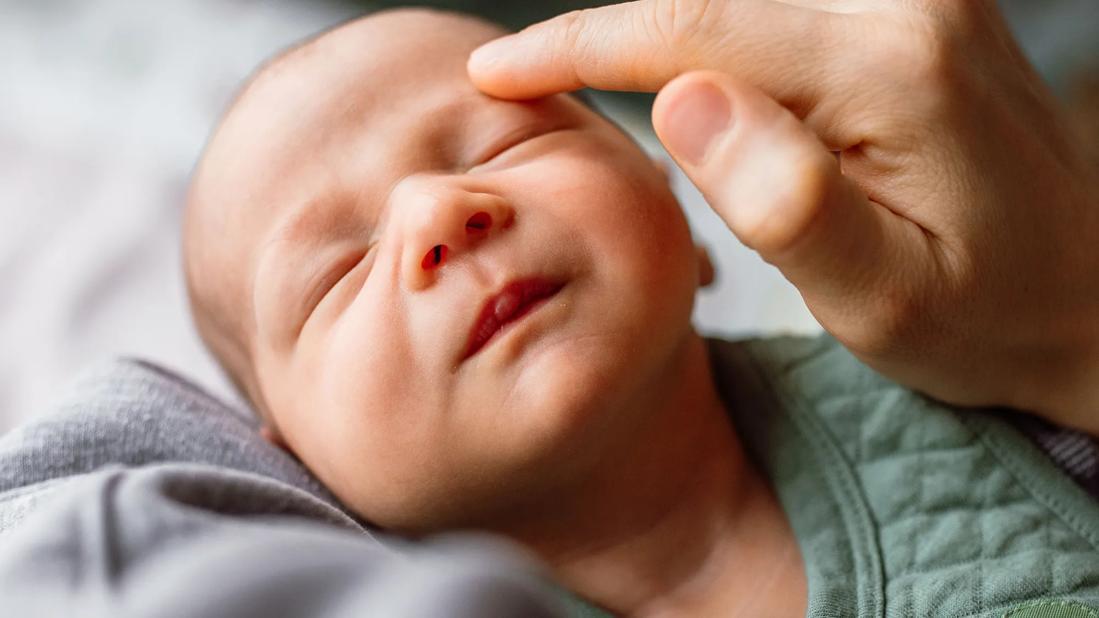
Out of tiny baby lips come gentle coos, sleepy yawns and needy cries. But wait — what’s that blister on your baby’s lip? Should you worry? That depends on what the blister looks like.
“A single fluid-filled bump on a newborn’s upper lip is usually nothing to worry about,” says pediatrician Lisa Diard, MD, “but a cluster of tiny, fluid-filled blisters is a sign of something more serious. It’s important to have your baby checked by a healthcare provider.”
Dr. Diard explains these different types of lip blisters and what to do about them.
Causes of lip blisters in newborns
Newborn lip blisters can be caused by how your baby feeds or sucks their thumb, or they can be due to an infection. The treatment for each of these is different, so it’s important to know what’s what.
Sucking blisters
The most common lip blisters in newborns are sucking blisters. They’re caused by friction on your baby’s lips against a bottle, breast or thumb — kind of like a blister you might get on your heel from too-tight shoes.
Sucking blisters show up when newborn skin is still soft from being in the womb. Typically, that’s within the first week or so after birth.
“In some cases, babies are born with sucking blisters,” Dr. Diard shares. “We see them on the lips, thumbs and even arms.”
What do sucking blisters look like?
The classic sign of a sucking blister is a solitary bubble in the middle of their upper lip. Less often, it covers the entire upper lip or occurs on the bottom lip. Sometimes, it looks dry or cracked, like chapped lips.
Do sucking blisters hurt?
Good news for baby: Dr. Diard says that unlike blisters you get on your feet, a newborn’s sucking blisters don’t hurt or pop, and they don’t interfere with feeding. They tend to dry up and go away on their own as your baby’s skin thickens.
Cold sores
Cold sores may be caused by a virus — commonly the herpes simplex virus (HSV) — and spread through direct contact with a person who is infected. Newborn herpes can be serious, so it’s critical that they be seen and treated ASAP by a healthcare provider.
In newborns, cold sores can occur:
- On the lip.
- Around the mouth or eyes.
- On the skin of other areas of their body.
“These cold sores typically look and feel different from sucking blisters,” Dr. Diard clarifies. “Often, instead of one large blister, cold sores are clusters of smaller blisters that break open and cause a painful sore.” They might ooze a clear liquid and crust over.
Babies with cold sores may have other symptoms too, including:
- Fever
- Fussiness
- Feeding less
Other possible causes of lip blisters
There are other childhood skin conditions and infectious diseases that can cause rashes or blisters on a newborn’s lips, too.
- Allergic reaction: Your baby might be allergic to a lotion or product you put on before breastfeeding. Look for a rash that seems itchy and uncomfortable.
- Hand, foot and mouth disease (HFMD):HFMD is a contagious viral illness that causes blisters on a child’s hands, feet and mouth (including the lips).
- Impetigo: This bacterial skin infection mainly affects young children. Impetigo causes itchy sores and blisters around the mouth and nose. Because it’s highly contagious, a newborn could catch it from an infected child they have close contact with, like an older sibling.
- Oral thrush: This yeast infection often affects babies under 1 month old. In the mouth, thrush causes thick white patches on the tongue and lining of the cheeks and lips.
Treatment for lip blisters
The treatment for lip blisters differs depending on the type of blister. Dr. Diard explains.
Treatment for sucking blisters
Because sucking blisters go away on their own, you don’t really need to treat them. If your baby’s lips seem dry, a little olive or coconut oil can help. Rubbing on a bit of hand-expressed breast milk can also be very healing.
Treatment for cold sores
See your provider right away if your baby has a cold sore. Newborns with cold sores need urgent treatment with an antiviral medication to reduce the risk of severe disease.
“Even with treatment, newborn herpes can be life-threatening or cause long-term effects,” Dr. Diard says. “Your provider can guide their care and next steps.”
Treatment for other types of lip blisters
Treatment for the other types of lip blisters varies, but in all cases, it’s best to speak with your child’s healthcare provider.
- For an allergic reaction, stop using any products that might be the source. Ask your provider to weigh in and offer tips to comfort them as they heal.
- HFMD typically clears up on its own.
- Impetigo and oral thrush require medications.
Preventive measures to avoid lip blisters
Although sucking blisters aren’t harmful and don’t require treatment, they can be a sign of feeding problems.
- If you’re bottle-feeding: Make sure your baby gets most of the bottle’s nipple in their mouth and that the nipple is the right size.
- If you’re breastfeeding: Make sure your baby has a good latch. If you’re having latching difficulties, a lactation consultant may be able to help.
When it comes to preventing cold sores, impetigo and other infectious diseases, take precautions around newborns.
“Anyone with a contagious illness should avoid close contact with a newborn,” stresses Dr. Diard. “If a close family member has an infection, talk to your provider about how to protect your infant.”
When to see your baby’s provider about lip blisters
For anything other than an obvious sucking blister (a single blister in the middle of the upper lip), Dr. Diard recommends seeking medical advice. That includes any clusters of blisters or blisters on their face.
Other signs to call your newborn’s provider include:
- Decreased urination
- Fever
- Persistent crying
- Rash
- Refusing to feed
- Unusual diarrhea, vomiting
“As a parent, you know your baby best. If your newborn’s appearance or behavior seems off, get it checked out,” Dr. Diard urges. “Your provider can determine what’s causing the problem and plan the best course of action.”