
Recipe: Purple Kale Salad With Apples and Walnuts
 April 18, 2024
Crunchy, delicious and nutritious!
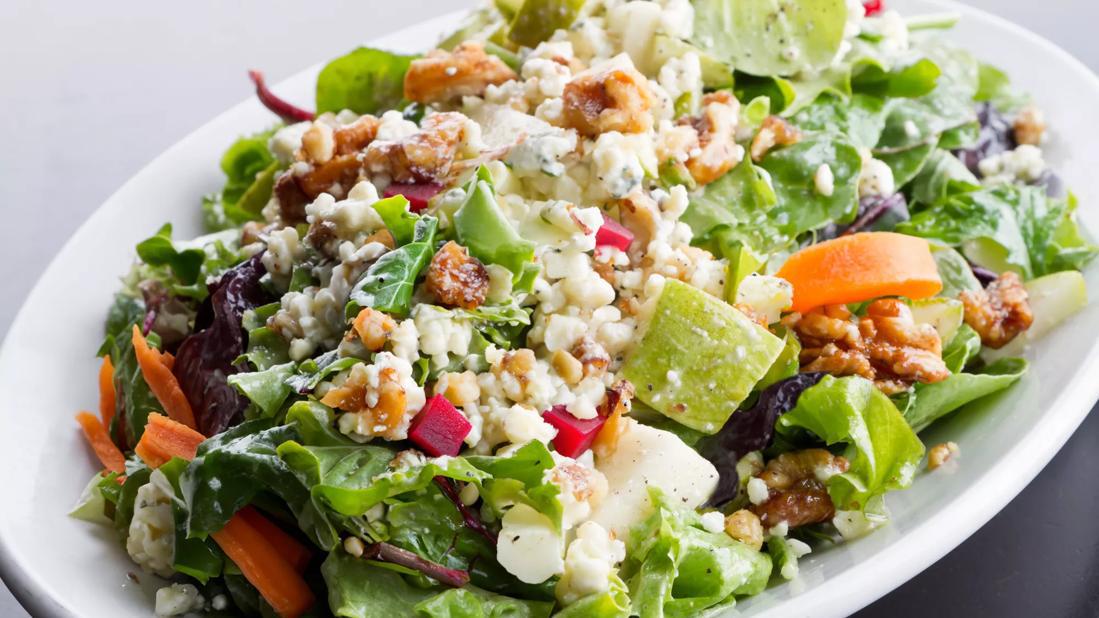
Purple kale, in its beauty and texture, is a vegetable that definitely rises above the ordinary. And this salad is rich in health-acclaimed purple pigmented, anthocyanins.
Ingredients
Salad
- One large bunch of purple kale
- 1 large carrot peeled
- 1 beet, peeled
- 1 small apple
- 1/4 cup chopped walnuts
- 1/4 cup dried cranberries (preferably without sugar)
Dressing
- 2 tablespoons balsamic vinegar
- 2 tablespoons olive oil
- 1 teaspoon cinnamon
Directions
- Clean kale and remove stems. Let air dry or dry with paper towel.
- Chop kale, carrot, beet and apple, finely (may chop manually or use grater, food processor or high-power blender).
- Toss kale, carrots, beets, apples, walnuts and cranberries together.
- Mix together oil, vinegar and cinnamon. Pour over salad using more or less to taste.
Ingredient health benefits
- Kale: Though it looks like nothing more than a fancy leaf, kale is packed with some powerful perks that have helped it reach superfood status. Like many cruciferous vegetables, kale is rich in vitamin K and vitamin C. It also has flavonoids, natural plant compounds that your heart and brain need for peak performance. And it’s a surprising source of omega-3s!
- Carrots: It’s easy to overlook these veggies in the produce aisle, but there’s more to them than meets the eye. Carrots have carotenoids that may reduce your risk of developing certain cancers. And beta-carotene, one of these carotenoids, keeps your eyes and vision healthy when your body changes it into vitamin A. If you need another reason to eat more carrots, they might also support your heart by lowering your cholesterol. All carrots are nutritious, but different colors have slightly different benefits. So, consider tasting the carrot rainbow!
- Beets: Another flavorful root vegetable, beets are a good source of fiber and potassium. They also have nitrates, chemicals found in nature and in certain foods that increase your circulation. And you can count on betalains, natural pigments found in beets, to suppress unwanted inflammation and keep free radicals in check. Like carrots, there are a few different colors of beets to choose from with subtle differences in nutrition, but no matter which ones you choose, you’re making an excellent choice! (Side note: Purple beets tend to tinge your pee red or pink, a phenomenon known as beeturia, which is perfectly natural and not a cause for concern.)
- Apples: Who doesn’t love a little bit of sweetness in their salad to balance out the savory? Apples are full of antioxidants and including them in a well-balanced diet can help lower your cholesterol and blood pressure. Their high fiber content and prebiotics support healthy digestion, along with an antioxidant called quercetin that helps fight bad bacteria in your gut (which is also found in onions!).
- Walnuts: These nuts are sure to add more than just a satisfying crunch to your dish. Walnuts have magnesium for strong bones and a happy heart, as well as several antioxidants, including omega-3s, vitamin E and polyphenols. These nutrients fight inflammation that can lead to chronic diseases and promote the health of your eyes, brain and skin while they’re at it.
- Olive oil: This time-honored cooking oil is loaded with heart-helpful fats and antioxidants that work together to protect your heart by lowering inflammation, LDL (“bad”) cholesterol and blood pressure while raising your HDL (“good”) cholesterol. Olive oil is also a good source of vitamin D, as well as vitamins A, E and K. Known as fat-soluble vitamins, they’re responsible for keeping your eyes, hair, skin, bones and blood cells in top shape. While all olive oil is good for you, extra virgin olive oil (EVOO) is the best of what this ancient additive has to offer.
- Cinnamon: When it comes to flavor, a little bit of cinnamon goes a long way. Like many other ingredients in this salad, cinnamon may reduce your cholesterol levels and has antioxidants that decrease unnecessary inflammation.
Nutrition information (per serving)
Servings = 6
Calories: 130
Total fat: 8 g
Saturated fat: 1 g
Trans fat: 0 g
Cholesterol: 0 mg
Sodium: 35 mg
Total carbohydrate: 15 g
Fiber: 2 g
Sugars: 9 g
Protein: 2 g
— Recipe provided by Digestive Disease Health Team Dietitians.