
14 Reasons You Have Scabs on Your Scalp
 April 28, 2025
Injury, itching, inflammation and irritants can all lead to scabs on your scalp
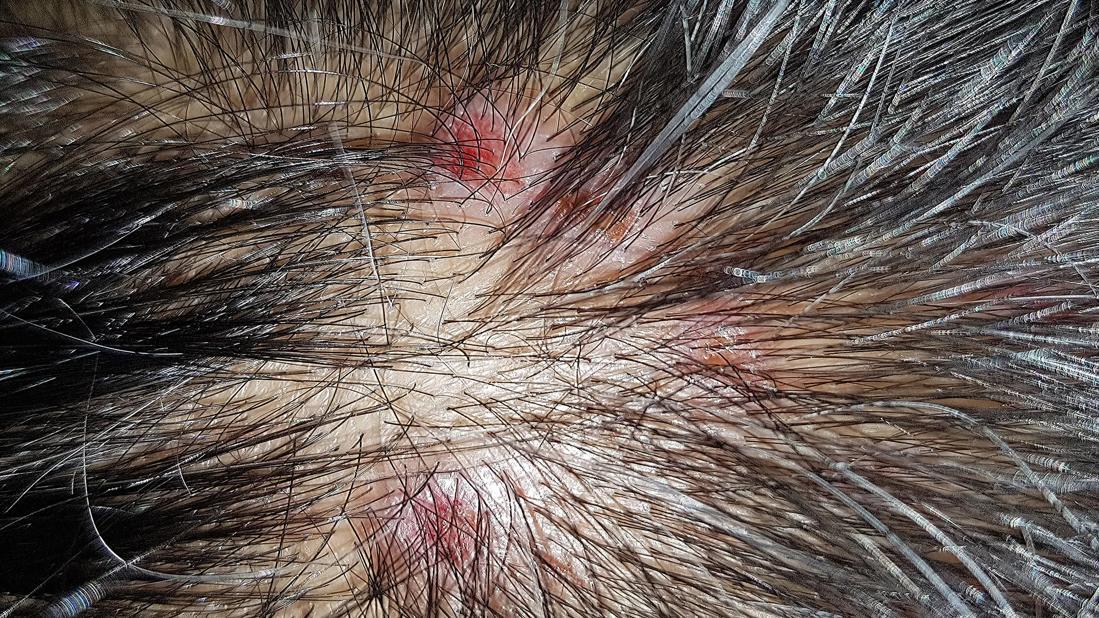
Scabs on your scalp can be unexpected and unsettling. But it’s important to identify and treat the underlying causes so you don’t further irritate the area and make it worse. Internal medicine physician Manjaree Daw, MD, explains some of the most common causes for scabs on your scalp and how to prevent further injury.
Why do you have scabs on your scalp?
Scabs on your scalp form as part of your body’s natural healing process to stop bleeding and keep germs out. Some of the most common causes of scalp scabs include:
- Seborrheic dermatitis (dandruff)
- Contact dermatitis
- Psoriasis
- Dermatitis herpetiformis (as a result of celiac disease)
- Eczema
- Eosinophilic folliculitis (inflamed hair follicles)
- Lichen planus
- Head lice
- Neuropathic itching
- Impetigo
- Scalp ringworm
- Shingles
- Lupus
- Skin cancer
Scabs can form anywhere on your body, but they can be particularly troublesome when they form on your scalp.
“We’re hampered by the hair on our scalp and it always gets in the way,” says Dr. Daw. “Sometimes, scabs can be hidden and you don’t even know you have them, and sometimes, they can progress without you really knowing they are there.”
How to get rid of them
Treatment for scalp scabs varies depending on the underlying cause. Often, doctors will prescribe some form of topical corticosteroids or antihistamines to help with inflammation and to stop the itching sensation that often results in the formation of scabs.
During treatment, do whatever you can to avoid causing further breaks in your skin. These superficial wounds could increase your risk of a bacterial infection.
“Bacterial infections can be painful and cause fevers, redness and discharge,” reiterates Dr. Daw. “Treatment for a bacterial infection requires antibiotics.”
If your scalp is irritated from an allergic reaction to an ingredient or product, avoiding the product completely usually resolves the issue. You can reduce the likelihood of dermatitis herpetiformis flare-ups, for example, when you cut gluten out of your diet.
But for the most part, if you see or feel something on your scalp that concerns you or you’re dealing with any other symptoms, you should let a provider know.
“You should see a doctor if something is not healing, painful, bleeding or discharging, and if you feel something new on your scalp that’s not going away with treatment,” advises Dr. Daw.
“If we can examine the scabs on your scalp and talk to you about the history you’ve had with this issue, we can figure out what’s causing these issues and provide you with some relief.”