
Scalloped Tongue
 May 13, 2025
If your tongue looks wavy or indented around the edges, it might be scalloped tongue. It’s usually caused by swelling and can be linked to things like dehydration, vitamin deficiencies or sleep apnea. It’s not harmful on its own, but it’s worth checking with your provider to find out what’s behind it.
Overview
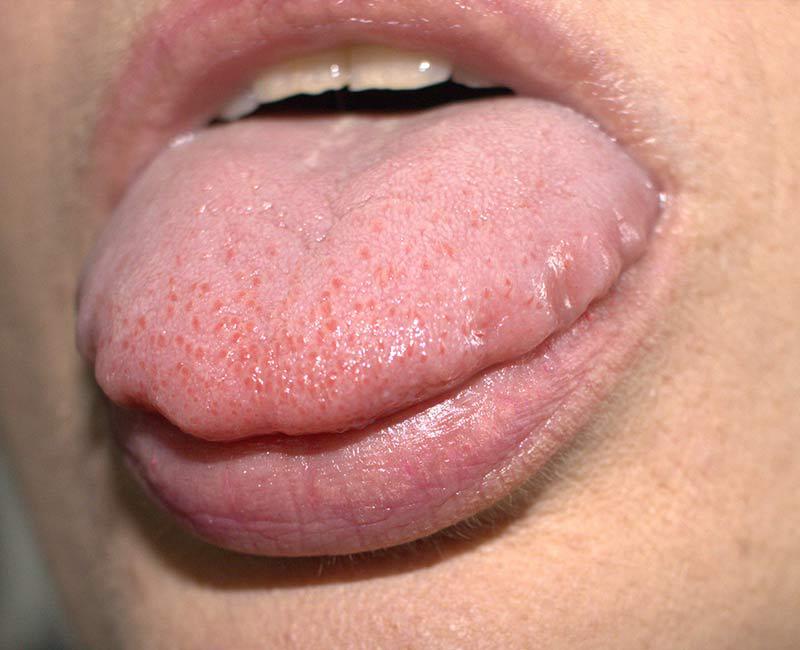
What is scalloped tongue?
A scalloped tongue looks rippled or indented along the edges. It often happens when your tongue swells and presses against your teeth. Your tongue might swell if you’re dehydrated or have vitamin deficiencies, sleep apnea or other health conditions.
Tongue scalloping isn’t harmful on its own, but it can be a sign that something else is going on. It’s a good idea to talk with a healthcare provider. Treating the cause usually helps the scalloping go away.
Possible Causes
What are the most common causes of scalloped tongue?
There are several possible reasons for scalloped tongue, and many are treatable. Common scalloped tongue causes include:
- Allergies or infections. These can trigger swelling in your mouth.
- Certain autoimmune diseases. Conditions like Sjögren’s syndrome or sarcoidosis cause chronic inflammation.
- Dehydration. When you don’t drink enough water, your tongue can swell.
- Sleep apnea. This can lead to fluid buildup in your tongue.
- Smoking. It dries out and irritates your mouth, which may lead to scalloping.
- Teeth grinding or jaw clenching. These habits push your tongue against your teeth.
- Thyroid disease. Some people notice a scalloped tongue with thyroid issues, especially hypothyroidism.
- TMJ disorders. Joint issues in your jaw can affect how your tongue rests.
- Vitamin deficiencies. Low levels of B12, iron, niacin, or riboflavin can cause swelling.
If you’re wondering what causes a scalloped tongue, it’s best to get checked out so your provider can figure out what’s behind it.
Care and Treatment
How is scalloped tongue treated?
Treatment depends on what’s causing the issue. Your healthcare provider may recommend:
- A mouth guard if you grind or clench your teeth
- Medications for inflammation, thyroid issues, anxiety or immune disorders
- Sleep apnea treatments like a CPAP machine or surgery
What can I do at home to treat scalloped tongue?
Once you know the cause, these at-home steps may help reduce swelling and prevent further scalloping:
- Avoid tobacco products.
- Manage stress.
- Practice good oral hygiene.
- Stay hydrated.
- Try over-the-counter NSAIDs like ibuprofen (Advil®).
- Use warm or cold compresses for relief.
What are the possible complications or risks of not treating scalloped tongue?
A scalloped tongue itself doesn’t directly cause health problems. But it can be a sign of an underlying condition that does. Ignoring it could delay treatment for issues like:
- Anemia
- Breathing problems
- Chronic (long-term) inflammation
- Electrolyte imbalances
- Fatigue
- Jaw pain
- Tooth or gum issues
If you notice changes to your tongue’s appearance, it’s worth checking in with your provider. Treating the underlying cause can help you avoid these complications and improve your overall health.
Can scalloped tongue be prevented?
Often, yes. Preventing a scalloped tongue means treating or managing the root cause. Once you know what’s behind the swelling, you can take steps to keep it from coming back.
When To Call the Doctor
When should scalloped tongue be treated by a doctor or healthcare provider?
Let your provider know if you notice ripples along your tongue, even if it doesn’t hurt. It could be your body’s way of letting you know that something else needs attention.
A note from Wockr
Noticing something new — like ripples along your tongue — can feel unsettling. The good news? It’s usually not an emergency. Still, it’s smart to bring it up with your provider. Often, it’s nothing serious, but it could be a sign of something else. Sharing any changes you notice helps your provider see the bigger picture and recommend the care you may need.